
Picture yourself stepping into the Plaza Hotel’s Grand Ballroom, where James Chen’s perfectly tailored midnight blue tuxedo commands attention without uttering a word.
You’ve received that coveted black tie invitation, and now you’re facing a wardrobe decision that’ll define your presence at the celebration.
Whether you’ll honor tradition with timeless elegance or embrace contemporary refinement depends on understanding what separates a memorable entrance from simply meeting the dress code.
Key Takeaways
- Classic black tie requires a black tuxedo with satin lapels, formal white shirt, bow tie, cummerbund or waistcoat, and patent leather shoes.
- Modern variations include midnight blue or velvet dinner jackets, contemporary slim-fit cuts, and whole-cut oxfords in polished calfskin.
- Choose peak lapels for confident masculinity, shawl collars for vintage elegance, or notch lapels for contemporary interpretation.
- Waistcoats add structured refinement and winter warmth, while cummerbunds offer sleek sophistication for summer weddings.
- Avoid common mistakes: never wear business suits, brown shoes, novelty accessories, or matching bow ties with pocket squares.
Understanding Black Tie Dress Code Requirements

When the invitation bears those two elegant words—”black tie”—you’re being summoned to an evening where sartorial excellence isn’t optional.
This dress code emerged from Victorian smoking jackets, evolving into today’s sophisticated standard. Black tie history reveals it was originally designed for intimate dinner parties, where men sought comfort without sacrificing elegance. By the 1920s, it had transformed into the formal evening uniform we recognize today.
You’ll need to understand that black tie demands specific elements: a tuxedo jacket, formal trousers with satin stripes, a white dress shirt, and patent leather shoes. The bow tie—always black, preferably hand-tied—completes your ensemble.
Cultural variations exist across continents. Europeans embrace shawl collars and velvet slippers, while Americans favor peak lapels and traditional oxfords. In warmer climates, white dinner jackets offer respectable alternatives.
The code isn’t restrictive—it’s liberating. You’re given precise parameters to showcase your personal refinement within an established framework of timeless elegance.
The Traditional Tuxedo: Essential Components and Details

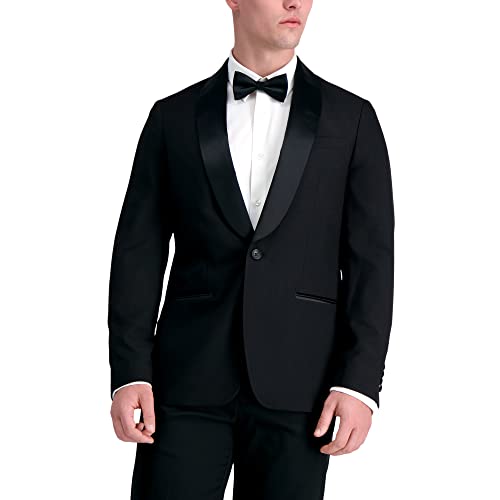
Your tuxedo foundation begins with the jacket—a single-breasted or double-breasted masterpiece in worsted wool or wool-mohair blend.
This elegant silhouette, refined through tuxedo history since its 1886 debut at Tuxedo Park, features distinctive satin or grosgrain peak lapels that frame your presence with understated opulence.
You’ll need matching trousers with a single satin stripe running down each outer seam, creating an unbroken vertical line.
The formal shirt demands your attention: choose crisp white cotton with a pleated front or piqué bib, fastened with mother-of-pearl studs rather than buttons.
Your waist requires either a cummerbund or low-cut waistcoat—never a belt—while the bow tie must be hand-tied silk, never pre-tied.
Patent leather oxfords complete your ensemble, their glossy finish echoing the jacket’s satin details.
Understanding fabric types elevates your choice: lightweight mohair blends prevent overheating during summer celebrations, while substantial worsted wool provides structure for winter affairs.
Choosing the Right Tuxedo Jacket Style

While classic silhouettes never fade, selecting between a single-breasted or double-breasted jacket fundamentally transforms your presence at the altar. Your choice speaks volumes about your personal aesthetic—single-breasted designs offer streamlined elegance, while double-breasted styles command attention with their bold, structured appeal.
Consider how jacket silhouette variations complement your frame. Slim-fit cuts create contemporary sophistication for leaner builds, whereas classic fits provide timeless refinement for broader physiques.
The shawl collar exudes vintage romance, perfect for intimate ceremonies. Peak lapels project confident masculinity, ideal for grand celebrations. Notch lapels, though less formal, work beautifully for modern interpretations.
Your tuxedo lapels options deserve thoughtful consideration—satin or grosgrain facings create subtle textural contrast against wool.
Formal Shirt Options: Wing Collar vs. Turndown Collar

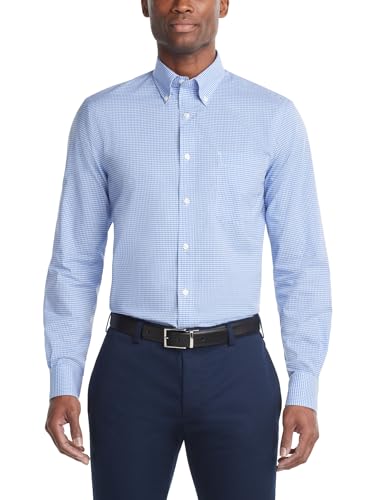
The shirt beneath your impeccably tailored jacket deserves equal attention—it’s the foundation that frames your face and anchors your entire ensemble. Understanding the nuances between collar styles elevates your black tie presence from merely appropriate to genuinely distinguished.
Your collar decision shapes everything:
- Wing collar characteristics include dramatic upward points that create striking vertical lines, perfectly complementing bow ties while adding theatrical elegance to ultra-formal affairs.
- Turndown collar versatility offers timeless sophistication with broader styling options, shifting seamlessly between traditional and contemporary aesthetics.
- Face shape matters—angular features soften beautifully with turndown collars, while rounded faces gain definition from wing collar structure.
- Consider your venue’s formality—wing collars suit grand ballrooms and palace weddings, whereas turndown collars adapt gracefully to garden ceremonies and modern lofts.
You’ll discover that turndown collars provide comfort for extended celebrations, while wing collars make unforgettable photographic statements.
Bow Ties: How to Select and Tie Them Properly


Mastering the bow tie transforms you from a man who merely wears formalwear into someone who commands it with effortless refinement. Your selection begins with understanding bow tie materials—silk grosgrain offers subtle texture and traditional elegance, while satin provides luminous sophistication. For black-tie occasions, you’ll want classic black in either finish.
Regarding bow tie patterns, solid black remains the gold standard, though subtle jacquard weaves add dimensional interest without breaking protocol. Pre-tied options exist, but learning the proper technique elevates your presentation immeasurably.
To tie: drape the bow tie around your upturned collar, adjusting one end slightly longer. Cross the longer end over the shorter, bringing it up through the neck loop. Form the front loop with the shorter end, then drop the longer end over its center. Push the dangling end through the loop behind the front, tightening gradually.
The result should appear slightly asymmetrical—perfectly imperfect, revealing your hand-tied authenticity.
Cummerbunds and Waistcoats: When to Wear Each

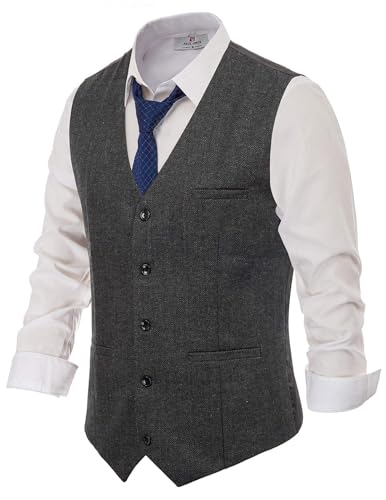
Your waistline deserves the same meticulous attention as your lapels and collar.
The cummerbund offers sleek, streamlined sophistication, while the waistcoat presents a more structured, traditionally refined alternative.
Understanding each option’s distinct character—from pleating direction to fabric weight—ensures you’ll make the choice that elevates your entire ensemble.
Cummerbund Style and Function
Elegant waist coverings serve a purpose far beyond concealing your trouser waistband—they’re architectural elements that define your silhouette and signal your understanding of formal dress codes.
Rooted in cummerbund history, this accessory originated from Indian formal wear, evolving into evening wear’s most distinguished component.
Understanding cummerbund materials elevates your selection:
- Silk grosgrain creates horizontal ribbing that visually streamlines your torso
- Barathea weave offers subtle texture matching your dinner jacket’s lapels
- Pleats face upward—originally designed to catch opera ticket stubs and crumbs
- Width matters: it should cover your shirt studs while sitting comfortably at your natural waist
You’re creating proportion, drawing eyes to your jacket’s structure while maintaining that coveted unbroken line from collar to hem.
Waistcoat Formal Elegance Options
While cummerbunds streamline your evening silhouette with horizontal sophistication, waistcoats command attention through structured formality—and knowing which to choose transforms you from appropriately dressed to impeccably styled.
You’ll discover waistcoats elevate traditional black tie into refined distinction. Select waistcoat fabrics like silk marcella for peak formality, or explore lustrous silk jacquard when you’re embracing subtle opulence.
The backless evening waistcoat—cut precisely to remain hidden beneath your jacket—maintains the sleek lines essential to black tie protocol.
Consider waistcoat patterns sparingly: tone-on-tone jacquards whisper elegance, while solid black maintains timeless propriety. Reserve brocades and bold designs for creative black tie celebrations where personal expression’s welcomed.
Your waistcoat should sit snugly without pulling, with the bottom point grazing your trouser waistband—creating that coveted unbroken line from lapel to hem.
Choosing Between the Two
How do you navigate this sartorial crossroads with confidence? Your choice between cummerbund and waistcoat reveals your understanding of both classic styles and modern trends.
Consider these essential factors:
- Formality Level – Waistcoats elevate traditional black tie to distinguished heights, while cummerbunds honor time-tested conventions with streamlined elegance.
- Season & Venue – Summer garden celebrations favor the cummerbund’s lighter profile; winter ballrooms welcome the waistcoat’s structured warmth.
- Personal Aesthetic – Your body type and style preferences matter. Waistcoats create vertical lines and sophisticated layering; cummerbunds offer clean, uncluttered silhouettes.
- Wedding Theme – Contemporary affairs embrace waistcoats’ versatility, while classic styles shine with cummerbunds’ refined simplicity.
Trust your instincts—you’ll wear your choice with commanding presence.
Tuxedo Trousers: Fit, Fabric, and Finishing Touches


Though the jacket commands attention, your tuxedo trousers form the foundation of a polished black-tie silhouette. Select premium tuxedo fabric—wool barathea or mohair blends deliver that coveted drape and lustrous finish you’re seeking. Your trouser styles should complement your build: flat-front creates sleek modernity, while single-pleat offers traditional elegance with room to move.
The fit demands precision. You’ll want a mid-rise waist that sits naturally, with legs skimming—never clinging to—your form. The break should be minimal, just kissing your shoes.
| Element | Your Standard |
|---|---|
| Side Stripe | Satin or grosgrain, matching your lapels |
| Hem Finish | Uncuffed for formal elegance |
| Waistband | Side adjusters or suspender buttons—never belt loops |
These finishing touches aren’t mere details; they’re declarations of your commitment to sartorial excellence. When every element harmonizes perfectly, you’ll move through that wedding with undeniable sophistication.
Formal Footwear: Patent Leather and Beyond


Your tuxedo’s impact diminishes the moment your shoes betray the elegance above. The foundation of your black tie ensemble demands careful consideration—your footwear speaks volumes before you utter a word.
Your Four Essential Options:
- Classic Patent Leather Oxfords – The timeless choice that mirrors your jacket’s lapels with its distinctive shine, creating visual harmony from head to toe.
- Velvet Slippers – For the confident traditionalist, these luxurious formal loafers embroidered with your initials add aristocratic flair without compromising sophistication.
- Opera Pumps – Sleek, low-cut silhouettes with grosgrain bows that whisper old-world refinement and European elegance.
- Contemporary Whole-Cut Oxfords – Modern interpretations in polished calfskin offer understated luxury for those who appreciate refined rebellion.
Choose footwear that complements your personal narrative while respecting black tie’s inherent formality.
Your shoes aren’t merely functional—they’re the punctuation mark on your sartorial statement, anchoring every confident stride you’ll take.
Studs, Cufflinks, and Other Essential Accessories


While most men obsess over their tuxedo’s cut and fabric, the truly discerning gentleman understands that formal jewelry transforms serviceable attire into distinguished presence.
Your studs selection demands restraint and intention. Mother-of-pearl offers timeless elegance, while onyx conveys dramatic sophistication. Gold and platinum studs work beautifully, though you’ll want them understated—never ostentatious. Match your studs to your cufflinks for cohesive refinement.
Cufflinks styles range from classic silk knots to precious metal designs featuring subtle gemstone accents. You’re crafting a narrative through these details, so consider the wedding’s formality and your relationship to the couple.
Traditional chain-link cufflinks suit conservative affairs, while more artistic interpretations work for contemporary celebrations.
Complete your ensemble with a crisp white pocket square—presidential fold only—and guarantee your watch, if worn, features a leather strap rather than metal. These thoughtful touches separate gentlemen who merely attend from those who truly arrive.
Modern Black Tie Variations and Contemporary Twists

While tradition anchors black tie‘s elegance, you’re invited to explore refined departures that command attention without compromising sophistication.
Consider midnight blue or burgundy dinner jackets in sumptuous velvet textures, or experiment with sleek silk bow ties that reimagine classic proportions.
These carefully curated variations allow you to express individuality while honoring the formal occasion’s inherent prestige.
Colored Dinner Jackets
Though traditional black remains the cornerstone of formal evening wear, colored dinner jackets have emerged as a distinguished alternative for the modern gentleman who commands attention without abandoning propriety.
Master these refined color combinations and styling tips:
- Midnight Navy – Your safest venture beyond black, pairing seamlessly with traditional black trousers and grosgrain accessories for understated elegance.
- Burgundy Velvet – Reserved for winter celebrations, this sumptuous texture demands silk-faced lapels and creates unparalleled depth against crisp white evening shirts.
- Ivory or Cream – The quintessential warm-weather choice, strictly paired with black formal trousers to maintain visual balance and sophistication.
- Forest Green – An audacious yet refined statement that showcases your sartorial confidence while honoring black tie’s formality through impeccable tailoring.
Velvet and Textured Fabrics
Beyond color selection, the very texture of your dinner jacket fabric transforms black tie from classic to contemporary. Velvet textures elevate your presence with their lustrous depth—midnight blue or black velvet catches light beautifully, creating dimension that wool simply can’t achieve.
You’ll command attention without sacrificing elegance.
Fabric patterns introduce subtle complexity: jacquard weaves, herringbone, or tone-on-tone brocades add visual interest while maintaining formality. These textured choices work particularly well for evening weddings where you want distinction without disruption.
Consider weight and season carefully. Velvet suits autumn and winter celebrations perfectly, while textured cotton-silk blends breathe during warmer months.
Your tactile choice becomes a conversation piece—sophisticated guests notice quality fabrication. This approach honors tradition while asserting your individual style within black tie’s refined parameters.
Fashion-Forward Bow Tie Alternatives
The traditional silk bow tie anchors black tie protocol, yet contemporary wedding culture increasingly embraces refined alternatives that preserve formality while expressing personal style.
Distinguished Options:
- Slim black necktie in luxe silk – You’ll maintain sophistication while offering a sleek, modern silhouette that photographs beautifully.
- Artisan bolo ties with precious metals – For destination weddings, these fashion accessories deliver unexpected elegance without compromising refinement.
- Ascot ties in midnight hues – You’re channeling Old World sophistication with unique patterns that distinguish you from traditional guests.
- Tonal grosgrain ribbons – Subtle texture variations create visual interest while respecting ceremonial decorum.
When you’re selecting alternatives, guarantee they complement your dinner jacket’s lapels and maintain the evening’s elevated aesthetic.
Your choice should feel authentic to your personal style while honoring the couple’s celebration.
Color Choices: Navy, Midnight Blue, and Non-Traditional Options

Midnight’s elegance has long challenged black’s monopoly on formal evening wear, offering discerning gentlemen a refined alternative that photographs beautifully under wedding lighting.
You’ll find that midnight blue creates extraordinary depth in both natural and artificial illumination, while its subtle distinction from pure black demonstrates your sartorial sophistication.
Navy elegance brings warmth to evening celebrations, particularly garden and coastal weddings where traditional black might feel too stark.
This shade pairs exquisitely with crisp white shirts and silver accessories, creating a harmonious palette that’s both distinguished and approachable.
Beyond these classics, you’re witnessing exciting non-traditional possibilities: deep burgundy for autumn ceremonies, forest green for winter celebrations, or charcoal gray that bridges formal and modern sensibilities.
The key lies in maintaining midnight versatility—choosing rich, saturated tones that respect the occasion’s formality while expressing your personal style.
Consider the venue’s aesthetic and season when selecting these contemporary alternatives.
Seasonal Considerations for Black Tie Wedding Attire

Your color selection naturally flows into another sophisticated consideration: how climate and calendar shape your black tie ensemble.
Mastering seasonal fabrics and climate considerations elevates your formal presence from merely appropriate to undeniably commanding.
Strategic Seasonal Selections:
- Summer Sophistication – Embrace tropical wool or mohair blends that breathe beautifully during warm-weather celebrations. Lighter weaves prevent discomfort without sacrificing structure.
- Winter Elegance – Choose heavier wool constructions that provide warmth while maintaining your silhouette’s sharpness. Velvet dinner jackets offer luxurious texture for cold-season events.
- Spring & Fall Versatility – Medium-weight fabrics strike the perfect balance, shifting seamlessly between fluctuating temperatures throughout extended celebrations.
- Destination Weddings – Research venue climate considerations before finalizing your ensemble. Tropical destinations demand breathable fabrics, while mountain venues require thoughtful layering.
Your fabric choices shouldn’t compromise formality—they should enhance your confidence.
When you’re comfortable, you’ll move through the celebration with effortless grace, fully present for every meaningful moment.
Rental vs. Purchase: Making the Right Investment

After establishing your ideal fabric and seasonal requirements, you’ll face a decision that greatly impacts both your wallet and wardrobe: whether to rent or purchase your black tie ensemble.
Rental options shine when you’re attending infrequent formal events. They’re cost-effective, hassle-free, and eliminate storage concerns. You’ll access premium designers without the investment, and alterations are typically included. However, you’re limited by available inventory and sizing constraints.
Purchase benefits extend beyond mere ownership. You’re investing in a versatile wardrobe staple that molds perfectly to your physique through personalized tailoring. Each wear reduces the cost-per-use, making it economically sound for gentlemen attending multiple formal occasions annually.
You’ll enjoy complete creative control over fabric, fit, and finishing details.
Consider your lifestyle honestly. If formal events dot your calendar regularly, purchasing becomes an investment in your sophisticated presence. For occasional affairs, rental options provide elegant pragmatism without compromise.
Common Black Tie Mistakes to Avoid

Understanding tuxedo etiquette guarantees you’ll navigate these common mistakes with confidence:
- Wearing a regular business suit instead of proper black tie attire—no matter how expensive your suit, it’s inappropriate for this dress code.
- Matching your bow tie and pocket square creates a dated, matchy-matchy appearance that sophisticated dressers avoid.
- Sporting novelty cummerbunds or vests in loud patterns undermines the formal occasion’s gravitas.
- Choosing brown or tan shoes when only black patent leather or polished oxfords belong at black tie events.
Master these fundamentals, and you’ll project refinement that honors both your host and the evening’s significance.
Frequently Asked Questions
Can I Wear My Black Tie Attire to Multiple Weddings?
Absolutely—you’ll master wedding etiquette through tuxedo versatility. Your impeccably tailored black tie ensemble transcends individual celebrations, becoming your sophisticated signature. Simply refresh accessories between events: new bow ties, pocket squares, and cufflinks guarantee you’re devastatingly distinguished at every affair.
How Far in Advance Should I Get Fitted for My Tuxedo?
Schedule your tuxedo fitting six to eight weeks before the wedding for ideal rental timing. You’ll guarantee impeccable fit and avoid last-minute stress. This sophisticated approach lets you confidently embrace the evening’s elegance, darling, looking absolutely magnificent.
What Do I Do if My Tuxedo Gets Stained During the Wedding?
Ironically, your pristine tuxedo attracts trouble like a magnet. You’ll need immediate stain removal—blot gently, never rub. Keep an emergency kit discreetly tucked away: club soda, stain pen, tissues. Your composure matters more than perfection, darling.
Should I Tip the Rental Shop Staff When Picking up My Tuxedo?
Tipping isn’t typically expected, darling, but your generosity never goes unnoticed. Check rental shop policies first, then consider offering gratuity for exceptional service. Understanding tipping etiquette guarantees you’ll navigate this gracefully, leaving everyone impressed by your refined sensibility.
Can I Travel on a Plane With My Tuxedo in Carry-On Luggage?
Like a gentleman’s valet from yesteryear, you’ll carry your tuxedo aboard with confidence. Essential travel tips include hanging bags and careful folding. Proper tuxedo care guarantees you’ll arrive impeccably dressed, ready to captivate admirers at your destination.
Final Thoughts
You’ve mastered the elements—now comes the transformation. As you slip into that perfectly tailored jacket, feel the weight of tradition meeting contemporary flair. Your reflection reveals more than fabric and thread; it whispers of confidence earned through careful attention to detail. The wedding awaits, and you’re no longer just another guest. You’re an embodiment of timeless elegance, poised to make an entrance that’ll linger in memory long after the final dance concludes.
Share On Pinterest!


Related Posts

Dresscode Ideas for a Birthday Party: 20+ Stunning Looks Your Guests Will Actually Love
Last updated: February 2026 Picture this: your birthday party is two weeks away, the decorations are planned, the playlist is chef's kiss, and then your phone…
 Feb 27, 2026
Birthday Ideas for Men: 35+ Ways to Celebrate Him Like a Pro
Last updated: February 2026 Let me paint you a picture. Last year, my brother's birthday was three days away, and I had nothing planned. No gift.…
Feb 16, 2026
Corporate Party Theme Ideas: 25+ Showstopping Concepts That'll Wow Your Team Without Wrecking the Budget
Last updated: February 2026 Let me paint you a picture. It's 4:47 PM on a Tuesday, and your boss just dropped this gem in your inbox:…
Feb 12, 2026
Corporate Event Activity Ideas That'll Wow Your Team Without Wrecking Your Budget
Last updated: February 2026 Let me paint you a picture. You've just been handed the task of planning the next company event. Your boss wants it…
Feb 12, 2026