
Planning a memorable bridal shower doesn’t have to drain your bank account. When you’re organizing this special celebration for the bride-to-be you’ll discover that group planning isn’t just more fun—it’s also a smart way to create an amazing event while keeping costs manageable.
By pooling resources and dividing responsibilities among friends and family you’ll unlock creative possibilities that wouldn’t be feasible with a single host. From splitting venue costs to sharing DIY decoration duties each person can contribute their unique talents and resources to make the shower truly special.
Whether you’re working with a tight budget or simply want to be financially savvy this guide will show you proven strategies to throw an unforgettable bridal shower without the financial stress. You’ll learn how to coordinate with co-hosts maximize your budget and create those picture-perfect moments the bride will treasure forever.
Getting Started with Group Planning

Assembling the right team transforms bridal shower planning from overwhelming to enjoyable. Your planning committee becomes the foundation for every money-saving decision ahead.
Forming Your Planning Committee
Select 3-5 committed individuals who bring different strengths to your bridal shower planning team. Choose people based on specific skills like budgeting expertise, creative design abilities, or vendor connections rather than obligation alone. Include the maid of honor, one family member from each side, and 1-2 close friends who know the bride’s preferences.
Evaluate potential committee members using these criteria:
- Availability during the 8-12 week planning period
- Financial contribution capacity ($50-200 per person typical range)
- Specific expertise (event planning, cooking, decorating, photography)
- Relationship dynamics with other team members
Schedule your first meeting within 7 days of forming the committee. Set expectations immediately about time commitments and budget contributions during this initial 60-minute session.
Setting Clear Roles and Responsibilities
Assign each committee member one primary area of responsibility based on their strengths. Document these assignments in writing to prevent confusion and duplicate efforts later.
| Role | Primary Tasks | Time Commitment |
|---|---|---|
| Lead Coordinator | Overall timeline, vendor management | 5-7 hours weekly |
| Budget Manager | Track expenses, collect contributions | 2-3 hours weekly |
| Food & Beverage Lead | Menu planning, catering coordination | 3-4 hours weekly |
| Decorations Chair | Theme execution, supply sourcing | 3-4 hours weekly |
| Activities Coordinator | Games, entertainment, guest coordination | 2-3 hours weekly |
Create backup assignments for each primary role. Cross-train committee members on critical tasks during your second planning meeting. This redundancy prevents disruptions when someone becomes unavailable.
Establish decision-making protocols early. Designate spending thresholds ($50 for individual decisions, committee vote for anything above) and response timeframes (24 hours for routine decisions, 48 hours for vendor selections).
Creating a Communication System
Select one primary communication platform for your entire planning committee. Google Workspace or Slack provides free options that centralize conversations, documents, and task assignments. Avoid splitting communications across multiple platforms (texts, emails, social media) which creates confusion and lost information.
Structure your communication channels:
- Create dedicated channels for venue, catering, decorations, and guest management
- Pin important documents like budget spreadsheets and vendor contracts
- Set response expectations (acknowledge messages within 12 hours)
- Schedule weekly check-ins via 30-minute video calls every Tuesday evening
Carry out a shared calendar displaying all deadlines, payment dates, and planning milestones. Color-code entries by responsibility area for instant visual reference. Grant editing access to all committee members but restrict deletion permissions to the lead coordinator.
Maintain a master checklist document accessible to everyone. Update task statuses daily using simple markers (not started, in progress, completed). This transparency eliminates duplicate purchases and identifies bottlenecks before they impact your timeline or budget.
Establishing Your Budget

Setting a realistic budget forms the foundation of your group bridal shower planning. A well-structured financial plan ensures every committee member understands their monetary commitment and prevents overspending across all event categories.
Determining Individual Contributions
Calculate each committee member’s contribution by dividing the total estimated cost by the number of contributors. Most group bridal showers require $50-150 per person when split among 4-5 planners. Request financial commitments during your first planning meeting to establish transparency.
Document contribution amounts in writing using these guidelines:
- Set payment deadlines at least 3 weeks before the event
- Accept multiple payment methods including Venmo, Zelle, or PayPal
- Create tiered contribution options for varying financial situations
- Designate one treasurer to collect and manage all funds
Consider offering alternative contribution methods for members facing financial constraints. Non-monetary contributions include handmade decorations, home-baked goods, or venue hosting at their residence.
Setting Spending Limits for Each Category
Allocate your total budget across essential categories using these typical percentage breakdowns:
| Category | Budget Percentage | Example ($500 Budget) |
|---|---|---|
| Venue | 20-25% | $100-125 |
| Food & Beverages | 35-40% | $175-200 |
| Decorations | 15-20% | $75-100 |
| Games & Activities | 10-15% | $50-75 |
| Favors | 10-15% | $50-75 |
| Miscellaneous | 5-10% | $25-50 |
Prioritize spending based on the bride’s preferences. Allocate extra funds to categories she values most—such as gourmet catering for food enthusiasts or elaborate decorations for aesthetic-focused brides.
Build a 10% buffer into each category for unexpected expenses. Track actual spending against these limits weekly to identify potential overages early.
Creating a Shared Budget Tracker
Establish a collaborative spreadsheet using Google Sheets or Microsoft Excel Online for real-time budget monitoring. Grant editing access to all committee members to maintain transparency throughout the planning process.
Structure your budget tracker with these essential columns:
- Category name with specific subcategories
- Allocated budget for each line item
- Actual spending with receipt documentation
- Remaining balance calculated automatically
- Responsible party assigned to each purchase
- Payment status marked as pending or complete
Update the tracker immediately after every purchase. Link digital receipts or upload photos of paper receipts directly to the spreadsheet for accurate record-keeping.
Configure automatic alerts when category spending reaches 75% of the allocated budget. Color-code cells using conditional formatting—green for under budget, yellow for approaching limit, red for exceeded—to provide instant visual feedback on financial status.
Choosing the Perfect Date and Venue

Selecting the right date and venue determines your group bridal shower’s success while controlling costs. Your planning committee can leverage multiple venue options to create an elegant celebration within budget constraints.
Selecting Budget-Friendly Venue Options
Compare venues across three price categories to maximize your group’s purchasing power. Free venues include private homes and public parks. Low-cost options range from $50-200 for community centers and church halls. Mid-range venues cost $200-500 for restaurant private rooms and small event spaces.
Contact venues 6-8 weeks before your target date to secure better rates. Request pricing for off-peak times like Sunday afternoons and weekday evenings when venues offer 20-40% discounts. Negotiate package deals that include tables and chairs to eliminate rental fees of $150-300.
Ask each venue about included amenities during your initial inquiry. Document setup and cleanup policies to assign these tasks to committee members. Verify capacity limits match your 20-35 person guest list before booking.
Hosting at Someone’s Home
Transform a committee member’s home into an elegant venue for zero rental cost. Select the home with the largest entertaining space that accommodates your expected guests comfortably. Evaluate parking availability for 10-15 vehicles or arrange carpooling through your shared planning platform.
Distribute hosting responsibilities among your planning team members. Assign one person to coordinate furniture rearrangement 2 days before the event. Designate another to manage temperature control and lighting during the shower. Task a third member with protecting homeowner belongings by storing valuables and covering furniture.
Create designated zones throughout the home for different activities. Set up the living room for games and gift opening. Arrange the dining area for food service. Transform a bedroom into a quiet space for the bride’s preparation or breaks.
Finding Free or Low-Cost Community Spaces
Research public venues through your municipal website for spaces under $100. Libraries offer meeting rooms for 2-4 hours at no charge with advance reservations. Parks provide pavilions for $25-75 including picnic tables and grills. Recreation centers charge $50-150 for multi-purpose rooms with kitchen access.
Contact religious organizations where committee members maintain affiliations. Churches and synagogues often waive fees for congregation members or charge nominal rates of $50-100. Community clubs like VFW halls and Elks lodges rent spaces for $75-200 including tables and chairs.
| Venue Type | Average Cost | Capacity | Included Amenities |
|---|---|---|---|
| Public Library | $0 | 15-30 | Tables, chairs, AV equipment |
| Park Pavilion | $25-75 | 25-50 | Picnic tables, grills, restrooms |
| Church Hall | $50-100 | 30-75 | Kitchen, tables, chairs |
| Community Center | $50-150 | 20-60 | Kitchen access, parking |
| VFW/Elks Lodge | $75-200 | 40-100 | Full kitchen, bar area, tables |
Submit venue applications 4-6 weeks in advance for public spaces. Provide proof of liability insurance if required or purchase event insurance for $75-125. Confirm cancellation policies protect your group’s deposits if plans change.
Creating Your Guest List

Your guest list determines both the atmosphere and budget of your group bridal shower. Coordinate early with the bride and your planning committee to establish the optimal number of attendees for your chosen venue and allocated funds.
Coordinating with the Bride
Request the bride’s guest list 8 weeks before the shower date to allow sufficient planning time. Ask for three categories of guests: must-invite (immediate family and bridal party), preferred (close friends and extended family), and optional (work colleagues and acquaintances).
Obtain contact information including full names, email addresses, and phone numbers for each guest. Create a shared spreadsheet with columns for guest name, relationship to bride, contact details, RSVP status, and dietary restrictions.
Review the list with your planning committee to identify duplicate entries between bridesmaids and family members. Cross-reference with the wedding guest list to avoid inviting anyone not included in the wedding celebration.
Set the maximum guest count based on your venue capacity and per-person budget allocation. Calculate $15-30 per guest for food and beverages at a typical shower. Prioritize must-invite guests first when space or budget constraints require list reduction.
Managing RSVPs Efficiently
Send digital invitations through platforms like Paperless Post or Evite to track responses automatically and reduce stationery costs by $200-300. Include RSVP deadline 3 weeks before the event date to finalize catering orders and seating arrangements.
Create a backup tracking system using Google Forms for guests who prefer not to use invitation platforms. Assign one committee member to monitor responses daily and update the master guest spreadsheet.
| RSVP Timeline | Action Required | Responsible Party |
|---|---|---|
| 6 weeks before | Send invitations | Communications lead |
| 3 weeks before | RSVP deadline | All guests |
| 2 weeks before | Follow up with non-responders | Phone call coordinator |
| 10 days before | Final headcount to venue | Budget manager |
| 1 week before | Confirm dietary needs | Food coordinator |
Contact non-responders personally via phone 48 hours after the RSVP deadline passes. Delegate follow-up calls among committee members by dividing the list alphabetically or by relationship type.
Document dietary restrictions and accessibility needs in your tracking spreadsheet immediately upon receiving each RSVP. Share this information with your catering coordinator and venue manager 2 weeks before the event.
Calculate your final guest count by adding confirmed attendees plus 5% buffer for last-minute additions. Communicate this number to all vendors 10 days before the shower to lock in pricing and arrangements.
Planning Budget-Friendly Decorations

Transform your bridal shower space into a stunning celebration without exceeding your decoration budget. Split decoration costs among committee members to create maximum visual impact for $50-75 total.
DIY Decoration Ideas
Create personalized decorations that cost 60% less than store-bought alternatives. Paper flower walls require only $15 in materials yet create Instagram-worthy backdrops when you combine tissue paper in the bride’s wedding colors. Assign each committee member one decoration project based on their crafting abilities:
- Design balloon garlands using fishing line and 50 latex balloons ($12 total)
- Craft centerpieces from mason jars and seasonal flowers ($3 per table)
- Make photo booth props with cardstock and wooden dowels ($10 for 15 props)
- Create banners using kraft paper and acrylic paint ($8 per banner)
Schedule a decoration assembly party two days before the shower. Pool your crafting supplies—scissors, glue guns, ribbons—to avoid duplicate purchases. Download free templates from Pinterest for consistent design elements across all DIY projects.
Buying in Bulk and Splitting Costs
Purchase decoration supplies from wholesale retailers to reduce costs by 40-50%. Sam’s Club and Costco offer bulk party supplies that become affordable when divided among 4-5 planners:
| Item | Bulk Quantity | Total Cost | Cost Per Person (5 planners) |
|---|---|---|---|
| Votive Candles | 72 pieces | $24 | $4.80 |
| White Tablecloths | 12 pack | $45 | $9.00 |
| String Lights | 6 strands | $30 | $6.00 |
| Disposable Plates | 150 pieces | $35 | $7.00 |
Order decorations online through Party City or Oriental Trading during seasonal sales for additional 20-30% savings. Combine orders to qualify for free shipping thresholds ($75 minimum). Designate one committee member to place the bulk order using a cashback credit card for extra savings.
Borrowing and Repurposing Items
Source free decorations from your committee members’ existing collections. Each planner contributes 3-5 items from their home inventory:
- Collect vases and glassware from kitchen cabinets for centerpieces
- Gather string lights from holiday storage boxes
- Borrow serving platters and cake stands for dessert displays
- Use potted plants from gardens as natural decorations
Contact recently married friends to borrow their wedding decorations—most store these items unused after their celebrations. Request specific items like lanterns, signage easels, or fabric draping through your neighborhood Facebook group or Nextdoor app.
Repurpose everyday items into elegant decorations by spray painting mason jars gold ($3 per can covers 12 jars) or wrapping books in kraft paper for rustic display risers. Transform thrift store picture frames ($2 each) into table numbers or menu displays by inserting printed cardstock.
Organizing Food and Beverages

Food and beverages typically consume 30-40% of your bridal shower budget. Smart planning with your committee reduces these costs by 50% or more through strategic shopping and creative serving options.
Potluck Style Options
Potluck contributions cut your food budget by 60-75% when each guest brings one dish. Assign specific categories to guests based on their cooking strengths—appetizers, salads, main dishes, sides, or desserts. Create a sign-up sheet using Google Forms or SignUpGenius three weeks before the shower to coordinate contributions.
Request 8-10 appetizers for a 30-person shower to ensure variety. Ask contributors to prepare dishes serving 10-12 people to guarantee adequate portions. Provide serving utensils and label cards for each dish to identify ingredients for guests with allergies.
Committee members supply beverages and coordinate warming equipment. Designate one person to manage the food table throughout the event. Set up a buffet station with plates and utensils at the beginning of the line for smooth traffic flow.
Bulk Shopping Strategies
Warehouse stores reduce beverage costs by 40% compared to regular grocery stores. Purchase sodas, sparkling water, and juice at Costco or Sam’s Club four days before the event. Calculate 2-3 drinks per person for a three-hour shower.
| Item Category | Bulk Quantity | Cost Savings | Serves |
|---|---|---|---|
| Soft drinks | 3 cases (36 cans each) | $15-20 | 30-35 people |
| Bottled water | 2 cases (40 bottles) | $8-10 | 30-35 people |
| Cheese platters | 3-pound blocks | $25-30 | 25-30 people |
| Veggie trays | 5-pound bags | $20-25 | 25-30 people |
| Paper goods | 150-count packages | $15-20 | 40-50 people |
Split bulk purchases among 2-3 committee members to maximize membership benefits. Compare unit prices between regular and bulk sizes to verify actual savings. Store perishables at the venue owner’s home to maintain freshness.
Buy non-perishable items two weeks early to spread costs across multiple shopping trips. Purchase fresh items 24-48 hours before the shower for optimal quality.
Making Your Own Cake or Desserts
Homemade cakes cost $15-25 versus $75-150 for bakery options. Bake two 9×13 sheet cakes to serve 40 guests adequately. Choose simple recipes like vanilla or chocolate that forgive minor mistakes.
Assign dessert creation to your most skilled baker on the committee. Purchase ingredients during bulk shopping trips to maximize savings. Freeze cake layers three days ahead and frost the morning of the shower for freshness.
Create a dessert bar featuring 4-5 homemade options for variety. Include brownies ($8 for 24 pieces), cookies ($10 for 36), fruit tarts ($12 for 20), and cupcakes ($15 for 24). Display desserts on tiered stands borrowed from committee members to add visual height.
Test recipes two weeks before the shower to perfect techniques. Document exact measurements and timing for consistent results. Prepare frosting and fillings one day ahead to reduce day-of stress.
Coordinating Activities and Games

Entertainment creates lasting memories at bridal showers while keeping guests engaged throughout the celebration. Your planning committee can organize meaningful activities that match the bride’s personality without exceeding budget constraints.
Free and Low-Cost Game Ideas
Traditional bridal shower games cost $0-10 total when you use materials already available at home. Print game cards on standard paper instead of purchasing pre-made sets for games like bridal bingo and wedding word scrambles. Create “How Well Do You Know the Bride” questionnaires using free online templates from Canva or Google Docs.
Organize interactive games that require minimal supplies:
- Memory Lane Story Share: Guests tell favorite memories with the bride using no materials
- Wedding Dress Design: Provide toilet paper rolls ($5 for 12 rolls) for teams to create dresses
- Ring Hunt: Hide 20 plastic rings ($3 at dollar stores) throughout the venue for a scavenger hunt
- Couple’s Trivia: Prepare 15-20 questions about the couple using index cards ($2)
Assign each committee member responsibility for preparing 2-3 games to distribute preparation tasks. Download free printable games from websites like The Dating Divas or Bridal Shower 101 to access professional designs without design software costs.
DIY Photo Booth Setup
Build a photo booth for under $50 using committee members’ combined resources and creativity. Designate one corner of your venue as the photo area with proper lighting from two floor lamps positioned at 45-degree angles.
Create your backdrop using these budget-friendly options:
| Backdrop Type | Cost | Materials Needed | Setup Time |
|---|---|---|---|
| Streamers Wall | $15 | 10 rolls of crepe paper | 45 minutes |
| Balloon Arch | $25 | 50 balloons + fishing line | 60 minutes |
| Fabric Draping | $20 | 4 yards of tulle or sheets | 30 minutes |
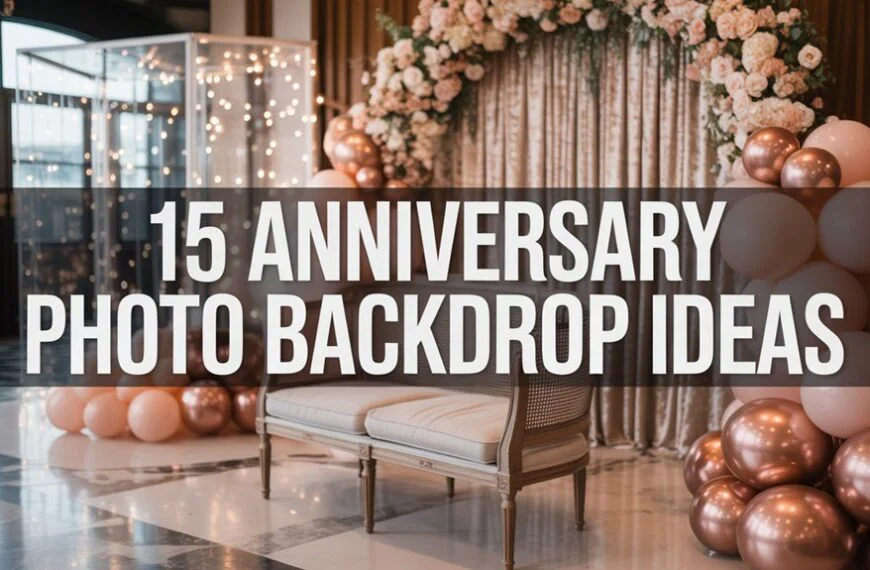
| Flower Wall | $30 | 24 paper flowers (DIY) | 90 minutes |
Purchase props from dollar stores including oversized sunglasses ($1 each), feather boas ($2 each), and cardboard speech bubbles ($5 for a set of 10). Committee members contribute smartphones or tablets for photo-taking duties on rotation schedules. Use free apps like Simple Booth or DSLR Booth to add filters and instant printing capabilities through connected printers.
Group Activity Planning
Coordinate activities across 2-3 hours to maintain energy without overwhelming guests. Schedule activities in 20-30 minute blocks with transition periods for mingling and refreshments. Assign one committee member as activity coordinator to manage timing and transitions smoothly.
Structure your timeline with varied activity types:
- Opening Activity (20 minutes): Icebreaker game for early arrivals
- Main Games (60 minutes): Rotate between active and seated games
- Gift Opening (45 minutes): Incorporate mini-games during present unwrapping
- Craft Station (30 minutes): Optional DIY project like decorating picture frames ($2 per frame)
Create activity stations throughout the venue to accommodate different guest preferences. Set up a quiet conversation area for guests preferring socializing over games. Prepare backup activities for groups finishing early or extending beyond planned timeframes.
Divide supervision duties among committee members with each person managing one activity station. Document game rules and supply lists in your shared planning folder for reference during setup. Purchase all game supplies through one bulk order to qualify for free shipping thresholds at retailers like Amazon or Oriental Trading Company.
Managing Invitations and Communications

Digital tools transform group bridal shower communication into an efficient process that saves both time and money. Your planning committee can coordinate invitations and track responses through free platforms while maintaining professional presentation standards.
Digital Invitation Options
Free digital invitation platforms eliminate printing costs while providing professional designs and automated RSVP tracking. Paperless Post offers 25 free invitations per event with customizable templates specifically designed for bridal showers. Evite provides unlimited free invitations with built-in polling features for menu preferences and gift registry links.
Create your digital invitation 6 weeks before the shower date to maximize response rates. Include these essential details in your invitation:
- Date and time with timezone specification for virtual attendees
- Venue address with parking instructions and accessibility notes
- RSVP deadline set 2 weeks before the event
- Registry information through clickable links
- Dress code or theme requirements
- Contact person from the planning committee
Track guest responses through the platform’s dashboard to monitor acceptance rates in real-time. Export RSVP data directly to spreadsheets for seamless coordination with your catering and seating arrangements.
Creating a Facebook Event or Group
Facebook Events reach 85% of guests who actively use social media for event planning. Create a private event page 8 weeks before the shower to build anticipation and help group communication.
Configure your Facebook Event with these optimization settings:
- Set privacy to “Private” to control guest list visibility
- Enable co-host permissions for all committee members
- Add multiple event photos showcasing theme elements
- Schedule automatic reminders at 1 week and 24 hours before
- Pin important posts about parking or gift registries
Establish a companion Facebook Group for ongoing communication among committee members and confirmed guests. Post weekly updates about shower preparations to maintain engagement levels above 70%. Share decoration previews and menu sneak peeks to generate excitement without revealing surprises.
Monitor discussion threads daily to address guest questions within 4 hours. Assign each committee member specific days for social media monitoring to distribute the workload evenly.
DIY Paper Invitations
Handmade paper invitations cost $1.50 per piece compared to $4-8 for professionally printed versions. Purchase cardstock in bulk from craft stores during seasonal sales to reduce material costs by 40%.
| Material | Quantity (25 invitations) | Average Cost | Source |
|---|---|---|---|
| Cardstock | 50 sheets | $12.00 | Craft stores |
| Envelopes | 25 pieces | $8.00 | Office supply |
| Embellishments | 1 package | $6.00 | Dollar store |
| Printing | Black ink only | $3.00 | Home printer |
| Total | 25 invitations | $29.00 | $1.16 each |
Design templates in Canva’s free version to create consistent layouts across all invitations. Print invitation text on standard paper first to verify spacing before using expensive cardstock. Committee members can assembly-line the invitation creation process during a single 2-hour crafting session.
Add personal touches through hand-lettered names or wax seals made from glue gun sticks colored with eyeshadow. These details increase perceived value without adding significant costs to your group bridal shower budget.
Mail invitations 5 weeks before the event to account for postal delays. Request RSVP responses through text or email to eliminate return postage expenses while maintaining quick response tracking for your planning committee.
Dividing Tasks and Expenses

Distributing financial responsibilities among committee members prevents budget overruns and ensures fair contribution. Strategic task division maximizes each planner’s strengths while maintaining transparent expense tracking throughout the planning process.
Using Apps to Split Costs
Digital expense-splitting applications eliminate confusion about who owes what for group bridal shower purchases. Splitwise tracks shared expenses automatically and calculates individual balances after each transaction. The app sends payment reminders 48 hours before due dates and integrates with Venmo for instant settlements.
Venmo Groups feature allows creation of dedicated bridal shower expense pools where committee members contribute preset amounts. Set contribution limits at $150 per person and enable automatic weekly transfers starting 8 weeks before the event. PayPal Pools provides similar functionality with international payment options for out-of-state contributors.
| App Name | Setup Time | Key Features | Transaction Fees |
|---|---|---|---|
| Splitwise | 5 minutes | Automatic calculations, receipt scanning | Free |
| Venmo Groups | 3 minutes | Instant transfers, payment scheduling | Free under $600 |
| PayPal Pools | 10 minutes | International support, goal tracking | 2.9% + $0.30 |
| Zelle | 2 minutes | Bank integration, no app required | Free |
Configure expense categories within your chosen app before making any purchases. Label categories as venue, decorations, food, activities, and miscellaneous to generate spending reports for each area.
Assigning Shopping Responsibilities
Designate one committee member per expense category to streamline purchasing decisions and prevent duplicate buying. The decoration coordinator manages all aesthetic purchases including centerpieces, balloons, and table settings with a $200 budget cap. The food coordinator handles catering orders and grocery shopping for DIY items within a $400 spending limit.
Create shopping partnerships for bulk purchases at warehouse stores like Costco or Sam’s Club. Pair committee members based on membership status and vehicle capacity for transporting large quantities. Schedule shopping trips 2-3 weeks before the event date to secure best prices and product availability.
Document purchase assignments in your shared planning spreadsheet with these columns:
- Item description and quantity
- Assigned buyer name
- Budget allocation
- Purchase deadline
- Reimbursement status
Grant purchasing authority only after committee approval for items exceeding $50. Require photo documentation of receipts immediately after purchase for expense tracking purposes.
Tracking Shared Expenses
Establish a centralized expense tracking system accessible to all committee members within 24 hours of forming your planning group. Google Sheets templates offer real-time collaboration with automatic calculation formulas and mobile access for on-the-go updates. Create separate tabs for individual contributions, shared expenses, and reimbursement logs.
Record every transaction within 4 hours of purchase to maintain accurate budget monitoring. Include merchant name, purchase date, item details, amount spent, and purchaser name in each entry. Attach digital receipt copies using Google Drive links or Dropbox folders organized by expense category.
Set weekly reconciliation meetings lasting 15 minutes via video call to review expenses against budget targets. Calculate running totals for each category and identify areas approaching limits. Adjust remaining purchases based on actual spending versus planned allocations.
Generate monthly expense reports showing individual contribution balances and outstanding reimbursements. Send automated email summaries through your tracking spreadsheet every Sunday evening at 7 PM. Flag any member whose contributions fall behind schedule for follow-up within 48 hours.
Carry out a two-person approval system for reimbursements exceeding $75. Process approved reimbursements within 5 business days through your selected payment platform. Maintain a reserve fund of 15% above total budget for emergency purchases discovered during final week preparations.
Money-Saving Tips and Tricks

Smart shopping strategies reduce your bridal shower costs by 40-60% without compromising quality. These proven techniques maximize your group buying power across all expense categories.
Shopping During Sales and Using Coupons
Stack multiple discount methods to achieve maximum savings on bridal shower supplies. Create a shared coupon database among committee members using Google Drive to track promotional codes and cashback opportunities.
Monitor these prime shopping periods for bridal shower supplies:
- January clearance sales offer 50-75% off party decorations
- Post-Valentine’s Day markdowns reduce pink and red items by 60%
- Memorial Day weekend features 30-40% discounts on outdoor party supplies
- Black Friday deals provide bulk buying opportunities for future events
Download these cashback applications before purchasing:
- Rakuten returns 2-10% on party supply retailers
- Honey automatically applies coupon codes at checkout
- Capital One Shopping compares prices across 30+ stores
- Ibotta offers rebates on grocery items for catering
Sign up for retailer newsletters 2 weeks before shopping to receive first-time customer discounts averaging 15-20%. Combine manufacturer coupons with store promotions to double your savings on paper goods and disposables.
Borrowing vs. Buying
Borrow these high-cost items from your network to eliminate 25% of decoration expenses:
| Item Category | Average Purchase Cost | Borrowing Sources | Savings Potential |
|---|---|---|---|
| Tablecloths & Linens | $80-120 | Church groups or event halls | 100% |
| Serving Platters | $60-100 | Family members or neighbors | 100% |
| Chairs & Tables | $150-300 | Community centers | 100% |
| Sound System | $75-200 | Schools or libraries | 100% |
| Coffee Makers | $40-80 | Office break rooms | 100% |
Purchase these items for cost-effectiveness:
- Disposable plates and cups cost less than rental cleaning fees
- Personalized decorations become keepsakes for the bride
- Perishable flowers maintain freshness better than borrowed arrangements
- Custom banners display specific names and dates
Create a borrowing spreadsheet listing each committee member’s available items and their extended network resources. Schedule pickup dates 3 days before the event to confirm availability.
Timing Your Purchases
Buy decorations 6-8 weeks ahead to capitalize on seasonal transitions and clearance cycles. Purchase non-perishable food items during weekly grocery sales rather than waiting until the final week.
Follow this purchasing timeline for maximum savings:
8 Weeks Before:
- Order bulk paper goods during online flash sales
- Purchase non-themed decorations during off-season
6 Weeks Before:
- Buy shelf-stable beverages during grocery promotions
- Secure craft supplies using 40% off hobby store coupons
4 Weeks Before:
- Purchase frozen appetizers during buy-one-get-one sales
- Order personalized items from overseas suppliers for 60% savings
2 Weeks Before:
- Buy fresh flowers from wholesale markets
- Purchase perishable ingredients during midweek sales
Track price histories using CamelCamelCamel for Amazon items or Flipp for local store circulars. Set price alerts 10% below your target budget to receive notifications for optimal buying windows.
Split bulk purchases among committee members during warehouse store promotional periods. Costco and Sam’s Club offer additional 25% discounts on party platters when ordered 72 hours in advance during weekday slots.
Common Mistakes to Avoid

Planning a group bridal shower involves numerous moving parts that require careful coordination. Avoiding these critical mistakes ensures your event stays within budget while creating memorable experiences for the bride-to-be.
Overspending on Non-Essentials
Spending 65% of your budget on trendy decorations or elaborate favors derails financial planning when basic elements remain unfunded. Track every purchase against your predetermined budget categories to maintain financial discipline throughout the planning process.
Committee members often purchase duplicate items or upgraded versions without consulting the group first. Establish a $25 spending threshold that requires group approval before any individual makes purchases. Create a shared shopping list in Google Sheets that updates in real-time when committee members buy supplies.
Focus your spending on elements guests remember after the event ends. Allocate 70% of your budget to food, beverages, and activities rather than disposable decorations that guests ignore. Purchase generic party supplies from dollar stores instead of boutique items that cost 3-5 times more for minimal quality difference.
| Non-Essential Items | Average Cost | Budget-Friendly Alternative | Savings |
|---|---|---|---|
| Designer Invitations | $150-200 | Digital Invites | $140-190 |
| Specialty Linens | $75-100 | Borrowed/Basic | $65-90 |
| Custom Signage | $80-120 | DIY Printables | $70-110 |
| Elaborate Centerpieces | $200-300 | Simple Florals | $150-250 |
Poor Communication Among Planners
Mixed messages between committee members create confusion that leads to forgotten tasks and duplicated efforts. Designate one primary communication channel where all planning discussions occur rather than spreading conversations across texts, emails, and social media platforms.
Document every decision immediately after committee meetings using a shared Google Doc accessible to all planners. Include specific action items with assigned names and completion dates for each task. Review these documents at the start of each meeting to confirm progress and address roadblocks.
Schedule weekly 15-minute check-ins via video call to maintain momentum between longer planning sessions. Use these brief meetings to confirm upcoming deadlines and redistribute tasks if committee members encounter scheduling conflicts. Record attendance and key decisions in your master planning document for absent members to review.
Create response deadlines for group decisions that require input from all committee members. Set 48-hour voting periods for venue selection, menu choices, and decoration themes to prevent planning delays. Move forward with majority decisions rather than waiting for unanimous agreement on every detail.
Last-Minute Planning Pitfalls
Starting venue searches 2-3 weeks before the event eliminates negotiation power and limits available options to expensive locations. Book your venue 8-10 weeks in advance to secure early-bird discounts averaging 15-25% off standard rates.
Rush ordering supplies incurs expedited shipping fees that add $50-150 to your total budget. Place decoration and favor orders 4 weeks before the shower date to qualify for free standard shipping from most retailers. Maintain a procurement timeline that lists every item with its required order date and assigned purchaser.
| Planning Task | Ideal Timeline | Last-Minute Cost Impact |
|---|---|---|
| Venue Booking | 8-10 weeks prior | +25-40% premium rates |
| Catering Orders | 3-4 weeks prior | +$5-10 per person |
| Invitation Sending | 5-6 weeks prior | Rush shipping +$30-50 |
| Supply Ordering | 4 weeks prior | Expedited fees +$75-150 |
Scrambling to find entertainment or activities 1 week before the shower forces you to hire expensive vendors. Prepare 3-4 backup game options during initial planning sessions that require only basic supplies you already possess. Test each activity with a small group to verify timing and engagement levels before the actual event.
Confirm all vendor arrangements 72 hours before the shower date through email or text message. Request written confirmation of arrival times, setup requirements, and final headcounts to prevent day-of surprises. Assign one committee member as the vendor liaison to handle all confirmation communications and maintain a contact list with phone numbers for immediate access.
Troubleshooting Common Issues

Group bridal shower planning encounters predictable challenges that require swift resolution. These situations demand practical strategies to maintain harmony among co-hosts while protecting your budget goals.
Handling Budget Disagreements
Budget conflicts arise when co-hosts have different financial capacities or spending priorities. Address these disagreements by implementing a tiered contribution system where each person contributes according to their comfort level. Create three contribution tiers: $50-75 for basic contributors, $100-150 for standard contributors, and $200+ for primary sponsors.
Document all financial decisions in your shared budget tracker immediately after discussion. Vote on purchases exceeding $50 using your established communication platform. Require 3 out of 5 committee members to approve major expenses like venue rentals or catering orders.
Propose alternative solutions when disagreements occur. Replace the $300 floral centerpiece request with DIY arrangements costing $75. Substitute professional photography at $500 with a designated friend photographer and disposable cameras for $50 total.
Managing Different Planning Styles
Planning style conflicts emerge between detail-oriented organizers and spontaneous creators. Balance structured planning with creative flexibility by establishing fixed deadlines for major decisions while allowing creative freedom within assigned tasks.
Assign tasks based on individual strengths rather than forcing uniform approaches. Give timeline management to your most organized co-host. Delegate decoration concepts to creative team members. Task analytical planners with vendor comparison and contract review.
Create buffer zones in your timeline for spontaneous additions. Schedule decoration setup 3 hours before the event instead of 90 minutes. Build 15% flexibility into your decoration budget for last-minute creative touches.
Use your project management tool to track both structured milestones and creative brainstorming. Post deadline reminders 48 hours before due dates. Share inspiration boards where spontaneous ideas receive equal consideration alongside planned elements.
Dealing with Guest List Conflicts
Guest list disputes occur when co-hosts disagree about invitation boundaries or capacity limitations. Resolve conflicts by establishing clear invitation criteria before creating any lists.
Define guest categories with specific limits:
| Category | Maximum Guests | Priority Level |
|---|---|---|
| Immediate Family | 10-12 | Essential |
| Bridal Party | 6-8 | Essential |
| Close Friends | 15-20 | High Priority |
| Extended Family | 10-15 | Medium Priority |
| Work Colleagues | 5-8 | Optional |
Apply the bride’s preferences as the final deciding factor in guest list disputes. Request her top 30 must-invite guests before adding optional attendees. Use venue capacity as your absolute maximum rather than starting point.
Create a waitlist system for borderline invitations. Send initial invitations 6 weeks before the event. Add waitlisted guests 3 weeks out based on RSVP declines. Maintain a digital RSVP tracker visible to all co-hosts to prevent duplicate invitations or omissions.
Compromise on plus-ones by limiting them to married couples or long-term partners only. Calculate your per-person cost at $15-20 to demonstrate the financial impact of additional guests during discussions.
Conclusion
Planning a group bridal shower doesn’t have to drain your bank account or cause endless stress. You’ve discovered that teamwork truly makes the dream work when it comes to creating an unforgettable celebration while keeping costs reasonable.
Your newly acquired planning skills will serve you well beyond this special event. The budget tracking methods and collaborative strategies you’ll carry out can transform any future celebration into a well-organized success story. You’re now equipped to navigate vendor negotiations and spot creative alternatives that deliver maximum impact without the premium price tag.
Remember that the bride’s happiness matters more than expensive decorations or elaborate catering. Your thoughtful coordination and genuine effort to celebrate her journey will create lasting memories that no amount of money could buy.
Take pride in what you’ll accomplish together. You’re not just throwing a party – you’re building stronger friendships and proving that meaningful celebrations don’t require very costly.
Share On Pinterest!


Related Posts

Backyard 40th Birthday Party Ideas That Turn Your Yard Into the Hottest Venue in Town
Last updated: February 2026 Turning 40 is a big deal. It's that gorgeous intersection of wisdom, confidence, and finally knowing exactly what you want—so why celebrate…
 Feb 16, 2026
Corporate Event Activity Ideas That'll Wow Your Team Without Wrecking Your Budget
Last updated: February 2026 Let me paint you a picture. You've just been handed the task of planning the next company event. Your boss wants it…
Feb 12, 2026
How to Throw an Anniversary Party at Home
Last updated: March 2026 Crafting the perfect anniversary party at home requires secrets that transform ordinary spaces into unforgettable celebrations—discover what most hosts overlook.
Mar 12, 2026
11th Birthday Party Ideas for Boys That'll Make Him the Talk of His Friend Group
Last updated: February 2026 Your son is turning 11, and let me tell you — this is a big deal. He's not a little kid anymore,…
Feb 16, 2026