
Like James Bond approaching Casino Royale’s baccarat table, you’ll need more than confidence to master black tie events—you’ll need the right arsenal.
The difference between looking merely acceptable and commanding the room lies in understanding what distinguishes true formal wear from its imitations.
You’ve likely worn a tuxedo before, but there’s a vast chasm between wearing one and wearing it correctly. Let’s examine what separates gentlemen from guests.
Key Takeaways
- A well-fitted tuxedo in quality fabric with satin-faced lapels, paired with a high thread count Egyptian cotton dress shirt with French cuffs.
- Patent leather oxfords, preferably opera pumps or whole-cut oxfords, broken in beforehand for comfort during formal events.
- Self-tie or pre-tied bow tie in classic black, complemented by quality shirt studs and cufflinks in coordinating metallic finishes.
- Waist coverage via cummerbund or waistcoat, positioned at natural waist, with colors matching bow tie for traditional elegance.
- Formal topcoat in heavyweight wool or cashmere, over-the-calf dress socks in black, and classic white silk pocket square.
The Foundation: Choosing Your Perfect Tuxedo


When selecting a tuxedo for your black tie event, the fit determines everything.
You’ll want tailoring that skims your shoulders without pulling, sleeves that break precisely at your wrist bone, and trousers that create a clean line from waist to shoe.
Explore tuxedo fabrics that elevate your presence.
Wool mohair delivers incomparable sheen and drape, while super-fine merino offers year-round versatility. For summer celebrations, consider tropical wool’s breathable luxury.
Your choice among tuxedo styles reflects your personal aesthetic.
The single-breasted peak lapel remains timelessly sophisticated, while shawl collars bring vintage Hollywood glamour. Double-breasted silhouettes make bold statements for confident dressers.
Pay attention to details that distinguish excellence from mediacy: satin-faced lapels with hand-stitched edges, working buttonholes, and genuine horn buttons.
These elements transform your tuxedo from rental-grade to investment-worthy.
Dress Shirt Specifications: What Makes It Black Tie Appropriate


While your tuxedo commands attention, your dress shirt provides the crisp canvas that elevates the entire ensemble.
You’ll want to prioritize fabric quality above all—Egyptian or Sea Island cotton with a high thread count guarantees that luminous finish under evening lights.
Your collar choice matters immensely. The wingtip collar remains the traditional standard for black tie, its points elegantly framing your bow tie. Alternatively, a spread or turndown collar offers a sleek, modern interpretation that’s equally acceptable.
Ascertain your shirt features French cuffs—they’re non-negotiable for formal events. You’ll fasten them with quality cufflinks that complement your studs. Speaking of which, your shirt should have a bib front with stud holes rather than buttons.
The fit must be impeccable: snug enough to avoid fabric bunching beneath your jacket, yet comfortable enough for an evening of sophisticated movement.
White remains your safest choice, though ivory works beautifully with cream dinner jackets.
Bow Tie Selection: Self-Tie vs. Pre-Tied Options


Your bow tie choice extends beyond mere aesthetics—it’s a statement of your commitment to black tie tradition.
The self-tie option offers authentic drape and subtle imperfection that signals sartorial sophistication, while pre-tied alternatives provide foolproof symmetry for those who haven’t mastered the tying technique.
Consider whether you’ll invest time in learning the proper bow tie knot or prioritize the convenience of a perfectly formed accessory that’s ready in seconds.
Authentic Traditional Self-Tie Style
Although pre-tied bow ties offer undeniable convenience, discerning gentlemen recognize that authentic self-tie styles remain the gold standard for black tie events. The self tie advantages extend beyond mere aesthetics—they embody authentic craftsmanship and signal your commitment to sartorial excellence.
| Feature | Self-Tie | Pre-Tied |
|---|---|---|
| Adjustability | Perfect collar fit every time | Fixed sizing limitations |
| Appearance | Natural, dimensional texture | Flat, manufactured look |
| Prestige | Traditional elegance | Perceived shortcut |
Mastering the bow tie knot becomes your signature ritual before important occasions. You’ll appreciate how the fabric drapes naturally, creating subtle asymmetry that distinguishes hand-tied elegance from mass-produced uniformity. Investment pieces in silk grosgrain or barathea weave deserve this level of dedication. Your attention to detail won’t go unnoticed.
Convenient Pre-Tied Options
For time-sensitive preparations and assured consistency, pre-tied bow ties deliver practical solutions without compromising your formal presentation.
You’ll appreciate the pre-tied convenience when you’re maneuvering multiple events or teaching younger family members proper black tie protocol. Modern pre-tied designs feature adjustable bands that guarantee perfect positioning against your collar, while premium construction maintains crisp butterfly shapes throughout extended wear.
Quality manufacturers now offer extensive style variations, from classic thistle shapes to contemporary slim profiles. You’ll find options in silk grosgrain, satin, and even velvet for winter galas.
The hook-and-clip mechanisms remain invisible beneath your collar, creating an authentic appearance. For destination weddings and travel-intensive schedules, pre-tied styles eliminate packing concerns while maintaining your sophisticated aesthetic standards.
Tying Technique Considerations
Self-tie bow ties demand mastery of several folding methods, each producing subtly different silhouettes that discerning hosts and attendees will notice. Your knot preferences directly influence the evening’s aesthetic—from the classic thistle shape to the more contemporary batwing finish.
| Technique | Resulting Profile |
|---|---|
| Traditional Fold | Structured, symmetrical wings |
| Asymmetric Method | Artfully imperfect elegance |
| Diamond Point | Sharp, angular presentation |
| Rounded End | Softer, vintage appeal |
| Butterfly Variation | Wider, dramatic statement |
Understanding these bow tie styles elevates your presence beyond mere adherence to dress codes. You’ll project confidence through subtle craftsmanship that speaks to your commitment to excellence. Each technique requires practice, yet the distinction you’ll achieve justifies the investment—transforming formal attire into personal expression.
Patent Leather Shoes: The Only Footwear Choice


When it comes to black tie footwear, patent leather oxfords aren’t just traditional—they’re mandatory. These high-gloss shoes create that mirror-like finish you’ll need to complete your formal ensemble with absolute precision.
You’ll want opera pumps or whole-cut oxfords in genuine patent leather—nothing else captures the same refined elegance. The glossy surface reflects light beautifully under chandeliers, elevating your entire appearance.
Don’t compromise on shoe comfort, especially if you’re attending a lengthy gala. Break them in before your event, and consider cushioned insoles for extended wear. Your feet will thank you during those hours of cocktail receptions and dancing.
Master patent leather care to maintain that pristine shine. Wipe them gently with a soft cloth after each wear, store them with shoe trees, and apply specialized patent leather cleaners monthly.
These shoes represent a significant investment in your formal wardrobe—treat them accordingly, and they’ll serve you flawlessly for years.
Cummerbund or Waistcoat: Covering Your Waistline


You’ll need to choose between a cummerbund and a waistcoat to conceal your trouser waistband and create a seamless black tie silhouette.
Each option carries distinct style implications—the cummerbund offers traditional formality while the waistcoat adds structured sophistication.
Proper fit, precise placement, and impeccable color coordination determine whether you’ll achieve refined elegance or commit a sartorial misstep.
Cummerbund Vs Waistcoat Style
The choice between a cummerbund and a waistcoat fundamentally shapes your black tie silhouette, each option offering distinct advantages in formality and visual refinement.
Understanding cummerbund history reveals its origins in British colonial India, designed to conceal trouser fastenings while maintaining ventilation. Today, it offers streamlined elegance and traditional appeal.
Waistcoat variations present more sartorial versatility. A low-cut, backless evening waistcoat in silk or marcella creates sculptural depth and sophisticated texture.
You’ll appreciate how it frames your shirt studs while adding architectural interest to your ensemble.
Consider your event’s formality and personal comfort. Cummerbunds provide ventilation for warmer venues, while waistcoats offer refined structure and additional pocket functionality.
Your physique matters too—waistcoats elongate shorter torsos, whereas cummerbunds suit athletic builds beautifully.
Proper Fit and Placement
Once you’ve selected your preferred waistline coverage, positioning it correctly determines whether your ensemble appears polished or poorly conceived. Your cummerbund’s pleats must face upward—historically designed to catch theater ticket stubs and opera programs.
Position it at your natural waist, never below your trouser waistband’s top edge. For waistcoats, the bottom should completely conceal your trouser closure and shirt studs while allowing comfortable movement when seated.
Tailored adjustments prove essential here. Your body shape dictates specific considerations: broader frames require fuller cuts to avoid pulling, while slimmer builds need narrower profiles preventing excess fabric bunching.
The garment should fit snugly without creating tension across your midsection. When you raise your arms, nothing underneath should become visible—that’s your benchmark for impeccable placement.
Color Matching Guidelines
While traditional black tie protocol demands matching your waistline piece to your bow tie—both in classic black—modern formal events increasingly embrace coordinated color statements that elevate your ensemble beyond convention.
Consider these sophisticated color strategies:
- Complement, don’t clash: Study the color wheel to select waistcoats in deep jewel tones—burgundy, forest green, or sapphire—that harmonize with your accessories without overwhelming your tuxedo’s elegance.
- Align with seasonal palettes: Rich velvets in wine and plum for winter galas; lighter silks in champagne or dove gray for spring celebrations.
- Monochromatic mastery: Layer varying shades of charcoal or midnight blue for understated refinement.
- Metallic accents: Incorporate subtle gold or silver threading that catches candlelight without appearing ostentatious.
Your waistline piece shouldn’t compete—it should complete your carefully curated formal presentation.
Studs and Cufflinks: Small Details That Make a Big Impact

Beyond the tuxedo’s silhouette and fabric lies a domain where discerning gentlemen truly distinguish themselves: the hardware.
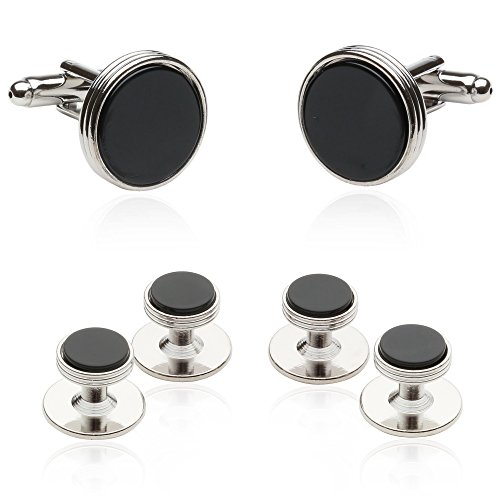
Your shirt studs and cufflinks aren’t mere fasteners—they’re punctuation marks that complete your statement. When selecting studs materials, consider mother-of-pearl for timeless elegance, onyx for dramatic sophistication, or platinum for understated luxury. Each material communicates intention.
Cufflinks styles demand equal attention. Classic barrel-back designs offer reliability and tradition, while chain-link varieties provide vintage appeal. You’ll find whale-back mechanisms deliver modern convenience without sacrificing formality.
Here’s what matters: consistency. Your studs and cufflinks should harmonize with your watch, tie bar, and other metallic elements. Silver-toned pieces complement white gold or platinum, while gold-toned hardware pairs beautifully with rose or yellow gold accessories.
Don’t default to whatever came with your shirt. Investment in quality hardware transforms your ensemble from rental-counter standard to bespoke excellence.
These small details separate you from everyone else wearing black.
Dress Socks: The Often-Overlooked Essential

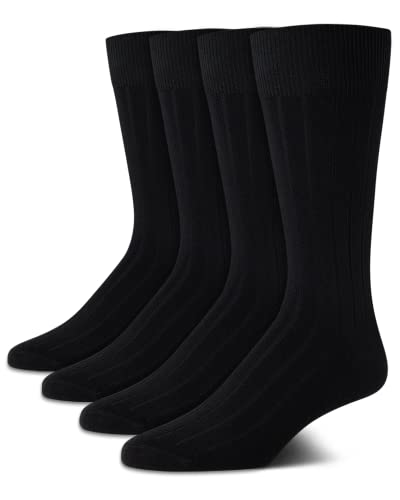
While your tuxedo commands attention, the right dress socks complete your black tie ensemble with understated sophistication.
You’ll need to take into account three critical elements: the material and texture that complement formal wear, the proper length and fit that prevent any skin exposure when seated, and the color coordination rules that guarantee seamless integration with your shoes and trousers.
These seemingly minor details separate a merely adequate black tie appearance from an impeccably polished one.
Material and Texture Matters
Though often dismissed as a minor detail, your dress socks serve as the subtle foundation that completes your black tie ensemble. The fabric choices you make directly impact comfort and presentation throughout your evening. Silk and fine merino wool reign supreme, offering breathability while maintaining an elegant drape.
Understanding texture importance guarantees you’ll avoid embarrassing bunching or slipping:
- Silk dress socks provide luxurious sheen and exceptional smoothness against your skin
- Fine-gauge merino wool delivers temperature regulation without bulk
- Ribbed or jacquard patterns add sophisticated dimension while maintaining formality
- Over-the-calf length prevents unsightly exposed skin when seated
Select socks in classic black or midnight navy—colors that seamlessly shift between trouser and shoe. Quality construction with reinforced toes guarantees your investment withstands multiple elegant affairs.
Proper Length and Fit
Your socks’ length determines whether your black tie appearance reads refined or rushed. Over-the-calf styles prevent exposed skin when you’re seated—a detail that separates those who understand formal dressing from those who don’t. While tailoring techniques typically focus on your tuxedo, length adjustments for socks matter equally.
| Sock Length | Coverage Zone | Black Tie Verdict |
|---|---|---|
| Mid-calf | Ends below knee | Acceptable minimum |
| Over-the-calf | Reaches just below knee | Preferred standard |
| Executive length | Extends above knee | Ultimate choice |
Choose executive-length options in fine-gauge merino or silk blends. They’ll stay positioned throughout dinner service, dancing, and those inevitable moments when you’re crossing your legs during conversation. This isn’t overthinking—it’s respecting the evening’s significance.
Color Coordination Rules
When the tuxedo is black, the socks must be black—not charcoal, not navy, not “midnight.” This isn’t a guideline open to interpretation; it’s the foundation of coherent evening dress.
Color harmony begins at your ankles and extends through every element you’ll wear. Your socks anchor the visual line from trousers to shoes, creating seamless continuity that separates refined dressing from amateur attempts.
Consider these non-negotiables for accessory balance:
- Match your sock color precisely to your tuxedo—black with black, midnight blue with midnight blue
- Avoid patterns entirely—save novelty socks for casual occasions
- Choose over-the-calf length—preventing any glimpse of bare leg when seated
- Select fine-gauge fabric—maintaining the evening’s elegant proportions
You’re building a cohesive statement where nothing disrupts the eye’s natural flow.
Pocket Square: Adding Personal Style Within the Rules


While the pocket square remains optional for black tie events, its inclusion elevates your ensemble from merely correct to genuinely distinguished.
You’ll want to choose white linen or silk—these materials maintain black tie’s formal integrity while allowing subtle personal expression.
The presidential fold offers the most traditional approach: a crisp white rectangle peeking precisely one-quarter inch above your pocket. It’s refined without calling attention to itself.
If you’re attending a wedding or celebratory gala, consider the puff fold—it adds softness while remaining appropriate.
Among pocket square styles, avoid anything patterned or colored for traditional black tie. Save those for business attire. Your goal isn’t to make a statement but to demonstrate attention to detail that separates the well-dressed from the impeccably dressed.
The key is restraint. Your pocket square should whisper refinement, never shout for attention.
It’s the final touch that signals you’ve mastered formal dressing’s nuances.
Outerwear for Black Tie Events: Topcoats and Opera Capes

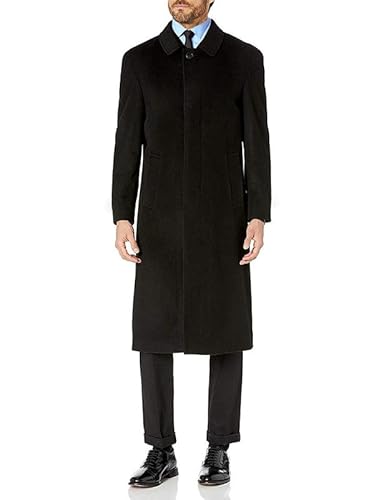
As you step from your vehicle into the winter evening, the topcoat becomes your first impression—and for black tie occasions, it demands the same formality as what lies beneath.
Choose topcoat materials that honor tradition: heavyweight wool, cashmere, or vicuña in black, midnight navy, or charcoal. Single-breasted styles with peaked lapels maintain sleek proportions, while double-breasted cuts add distinguished presence. Keep it knee-length—nothing shorter compromises the silhouette.
For opera cape styles, you’re embracing theatrical elegance. These dramatic pieces drape from shoulders without sleeves, fastening at the neck with satin frogs or grosgrain ribbons.
Essential outerwear considerations:
- Lining quality – silk or satin lining slides effortlessly over your dinner jacket
- Lapel coordination – grosgrain or satin facings echo your tuxedo’s details
- Fit precision – sufficient room across shoulders without excess bulk
- Storage planning – confirm coat check availability beforehand
Your outerwear isn’t merely functional—it’s the opening statement of your evening’s narrative.
Accessories and Grooming Items for Final Touches

Though your dinner jacket and trousers form the foundation, it’s the meticulous details—pocket squares, cufflinks, and grooming essentials—that distinguish refined elegance from mere adequacy.
Your pocket square deserves silk or linen in classic white, folded with precision. Cufflinks should complement your studs—mother-of-pearl or onyx set in sterling silver or gold. A black silk bow tie, self-tied rather than pre-tied, demonstrates authenticity.
Watch options require restraint: choose a slim dress watch with a leather strap, avoiding sports models entirely. Gold or platinum cases convey sophistication without ostentation.
Grooming essentials can’t be overlooked. Stock your kit with quality cologne—applied sparingly—alongside a precision razor, nail care tools, and hair pomade. A lint roller guarantees your jacket remains immaculate throughout the evening.
Black dress socks in fine merino wool, a leather belt (only if your trousers lack brace buttons), and a pristine white linen handkerchief complete your ensemble with understated refinement.
Frequently Asked Questions
Can I Wear a Black Tie Outfit to a Wedding?
Yes, you’ll absolutely impress when wearing black tie to weddings. However, always check the invitation first—wedding etiquette matters deeply. If the dress code specifies black tie, your formal guest attire becomes the perfect, sophisticated choice for celebrating.
How Much Should I Budget for a Complete Black Tie Ensemble?
Ready to invest in timeless elegance? You’ll need $800-3,000 for your complete ensemble. Factor in tailoring costs ($100-300) and accessory prices ($200-500) to guarantee you’re impeccably dressed for your most treasured moments.
Are Black Tie Dress Codes Still Enforced at Modern Events?
Yes, they’re absolutely still enforced, though modern interpretations have softened slightly from black tie history’s rigid standards. You’ll find elite galas, weddings, and cultural events maintain strict expectations—understanding these nuances guarantees you’re impeccably dressed.
Can I Rent Instead of Buying Black Tie Attire?
Absolutely, darling! Black tie rentals offer you a treasure trove of formal wear options without the hefty investment. You’ll discover impeccably tailored tuxedos and sophisticated accessories that’ll make you shine at any exclusive soirée.
What’s the Difference Between Black Tie and White Tie Events?
Black tie attire means you’ll wear a tuxedo with black bow tie, while white tie demands full evening tailcoat with white bow tie—the most formal dress code. White tie’s reserved for society’s most prestigious galas and state affairs.
Final Thoughts
You might think assembling a complete black tie wardrobe requires excessive investment, but consider this: quality pieces transcend trends and last decades. Your perfectly tailored tuxedo becomes an heirloom; your patent leather oxfords maintain their mirror finish through countless galas. You’re not purchasing disposable fashion—you’re curating a sophisticated arsenal that’ll serve every milestone celebration, opening night, and prestigious gathering throughout your lifetime. It’s an investment in timeless elegance, not mere clothing.
Share On Pinterest!


Related Posts

Train Birthday Party Ideas: 20+ Ways to Create a Show-Stopping Celebration on Any Budget
Last updated: February 2026 There's something magical about trains. The rumble of the engine, the clickety-clack of the tracks, the adventure of going somewhere new —…
 Feb 26, 2026
Second Birthday Party Ideas: 20+ Adorable Themes Your Toddler (and Your Budget) Will Love
Last updated: February 2026 Your baby isn't a baby anymore. 😭 I know—it hits different when you realize your little one is about to turn two.…
Feb 27, 2026Men's 30th Birthday Party Ideas: 20+ Epic Ways to Celebrate the Big 3-0
Last updated: February 2026 Turning 30 is one of those milestones that hits different. It's the moment you officially leave your twenties behind — the decade…
Feb 14, 2026
13th Birthday Party Ideas for a Girl That She'll Actually Obsess Over
Last updated: February 2026 Turning 13 is a big deal. It's the official gateway to the teenage years, and trust me, your girl has probably already…
Feb 26, 2026