
You’ve probably sat through a dozen weddings where someone’s uncle awkwardly lunged for a flying bouquet or watched a groom practically assault his bride with cake frosting. Here’s the truth: you don’t have to follow these tired scripts just because everyone else does. Your wedding should reflect who you actually are as a couple, not what tradition dictates. Let’s explore which outdated customs you can confidently skip—and discover meaningful alternatives that’ll make your celebration genuinely memorable.
Key Takeaways
- Skip bouquet and garter tosses; instead host an anniversary dance or present the bouquet to someone special.
- Replace cake smashing with intimate cake feeding or creative dessert alternatives like donut walls or dessert bars.
- Eliminate formal receiving lines by mingling during cocktail hour or making table visits for more authentic guest interactions.
- Avoid the traditional first dance spotlight by inviting all guests to join you immediately on the dance floor.
- Skip the “giving away” tradition; walk alone, with both parents, together as a couple, or with a friend.
The Bouquet and Garter Toss

These reception staples might feel like expected fun, but they’ve lost their appeal for many modern couples. The bouquet toss can make single guests uncomfortable, and the garter removal often feels awkward for everyone watching.
You’re not obligating anyone by skipping these traditions. Instead, consider bouquet alternatives that feel more meaningful. Present your bouquet to someone special—your grandmother, a friend battling illness, or the couple celebrating the longest marriage.
You could also donate it to a nursing home after your wedding.
For garter replacement ideas, think about what genuinely reflects you as a couple. Host an anniversary dance where married couples leave the floor by years together, celebrating the last pair standing.
Or create a meaningful toast honoring the relationships that’ve shaped your love story.
Your reception should feel authentic to you, not performative for tradition’s sake.
Cake Smashing and Forced Feeding

While cake cutting photos capture a sweet moment, smashing cake into your partner’s face sends the wrong message on your wedding day. It can ruin professional makeup, damage expensive attire, and create an uncomfortable atmosphere for guests who value respect and tenderness.
Instead, make your cake cutting genuinely intimate. Feed each other a small bite gently, sharing a knowing smile or whisper. This creates authentic connection your photographer will love capturing.
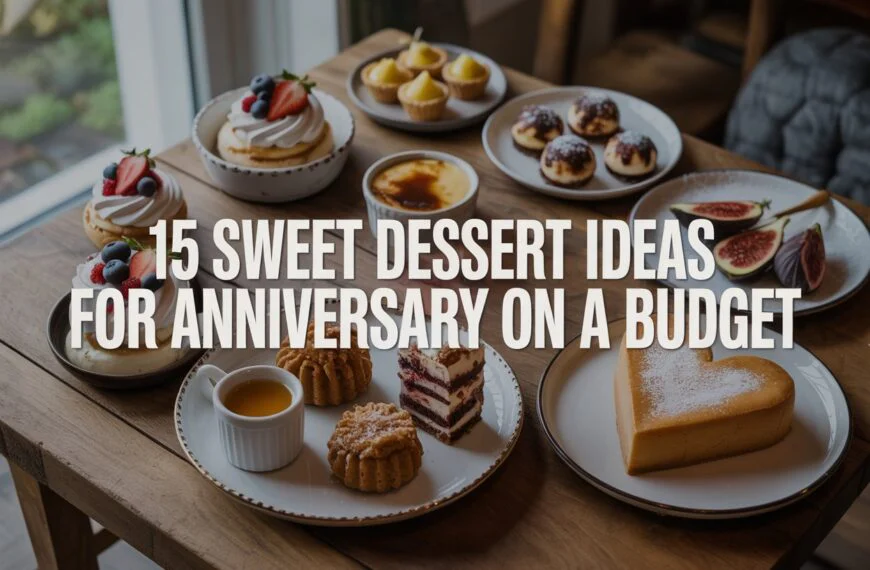
If traditional cake feels too formal, explore cake alternatives that reflect your personality. Consider a dessert bar with your favorite treats, a donut wall, or playful desserts like gourmet ice cream sandwiches.
These options encourage guest interaction and conversation. The key is choosing what feels authentic to your relationship. Skip the aggressive cake smashing trend and embrace moments that celebrate your partnership with genuine affection.
Your guests will appreciate the warmth, and you’ll preserve your carefully planned appearance.
The Traditional Wedding Party Structure

You don’t need matching bridesmaids on one side and groomsmen on the other to have a meaningful wedding.
Modern bridal party dynamics look different for everyone, and that’s perfectly okay.
Consider mixing genders on both sides—your brother can stand with you, and your partner’s sister can stand with them.
You’re not bound by traditional arrangements that don’t reflect your actual relationships.
You can also create inclusive roles that honor people without forcing them into conventional positions.
Ask someone to officiate, do a reading, or serve as a witness instead.
Some couples skip wedding parties entirely, choosing to celebrate with everyone equally.
What matters is surrounding yourselves with people who genuinely support your relationship.
If the traditional structure feels forced or creates unnecessary stress about who’s “in” or “out,” reimagine it.
Your wedding party should enhance your day, not complicate it with outdated expectations about symmetry and gender roles.
Father “Giving Away” the Bride

The tradition of a father walking his daughter down the aisle has roots in patriarchal property transfer—literally passing ownership from one man to another. While many fathers and daughters cherish this moment, it’s worth considering whether it aligns with your values about the bride’s autonomy.
You’ve got options that feel more authentic. Walk down the aisle alone to emphasize your independence. Have both parents escort you, honoring them equally. Ask a sibling, mentor, or close friend who’s shaped your life. Some couples walk together, symbolizing their equal partnership from the start.
If you’re keeping this tradition, consider updating the officiant’s language. Replace “Who gives this woman?” with “Who supports this union?” or skip that question entirely.
These symbolic gestures can honor relationships without implying ownership. Your walk down the aisle should reflect your story, not outdated customs.
Matching Bridesmaid Dresses and Groomsmen Suits

Forcing your wedding party into identical outfits treats grown adults like matching accessories rather than the unique individuals who’ve supported you through life. Your bridesmaids have different body types, style preferences, and comfort levels—why squeeze them all into the same dress they’ll never wear again?
What to do instead: Embrace mix and match styles that let your wedding party express themselves while maintaining cohesion. Choose a color palette and let bridesmaids select silhouettes that flatter their bodies.
For groomsmen, coordinate through consistent elements like tie color or boutonniere style rather than demanding identical suits.
Personalized outfits show you value your friends’ individuality and comfort. Your wedding photos will showcase real people who feel confident, not a lineup of uncomfortable clones.
Plus, they’re more likely to actually wear these pieces again—which means you’ve given them something meaningful rather than another closet obligation.
The Grand Send-Off With Rice or Sparklers

While grand send-offs look magical in wedding magazines, they’re often awkward in reality—guests fumbling with sparklers they can’t light, rice creating slip hazards, or bubbles that nobody bothers blowing because everyone’s already tired and ready to leave.
What to do instead:
- Leave quietly together – Skip the performance and simply walk out hand-in-hand when you’re ready, savoring those first moments as newlyweds without audience pressure.
- Private last dance – Ask your DJ to play one final song just for the two of you while guests gather their things naturally.
- Morning-after brunch send-off – If you want that celebratory moment, host a casual brunch where people are fresh and genuinely engaged.
- Thoughtful goodbyes – Spend your final minutes thanking guests personally rather than rushing through sparkler safety concerns or worrying about rice alternatives.
Your exit doesn’t need orchestration to be meaningful. Sometimes the most intimate endings happen when you stop performing and simply go.
Cutting the Cake Ceremony

You don’t have to feel obligated to perform the traditional cake-cutting ceremony if it doesn’t excite you.
Instead, consider skipping the formal event entirely and opting for a dessert display that lets guests help themselves throughout the reception.
Interactive sweet treat stations, like build-your-own sundae bars or donut walls, can create a more relaxed atmosphere while still satisfying everyone’s sweet tooth.
Skip the Traditional Ceremony
The cake-cutting ceremony has become one of those wedding moments that often feels more obligatory than meaningful.
You’re standing there with a knife, cameras flashing, wondering why this matters. Here’s the truth: it doesn’t have to.
Consider these alternatives instead:
- Share dessert privately during golden hour while your photographer captures intimate moments.
- Create a dessert bar where guests serve themselves, letting you enjoy cocktail hour.
- Skip cake entirely and offer your favorite treats that actually reflect your relationship.
- Turn it into a toast where you thank guests while sharing champagne.
Just like choosing personalized vows over traditional scripts, replacing this staged moment with unique rituals that resonate with you creates authenticity.
Your wedding should celebrate your story, not check boxes.
Alternative Dessert Display Options
Once you’ve decided to skip the traditional cake-cutting ceremony, dessert displays become your canvas for creativity. A dessert bar lets your guests choose what they actually want—think mini pies, tarts, macarons, or seasonal treats arranged on elegant tiered stands.
You’ll save money since variety desserts often cost less than elaborate tiered cakes.
Consider a donut wall for visual impact and Instagram-worthy photos. Mount donuts on wooden pegs, and watch guests gravitate toward this interactive display. You can even coordinate flavors with your wedding colors.
Other options include ice cream stations, s’mores bars, or cookie decorating tables that double as entertainment. These alternatives encourage mingling and create memorable moments without the formality.
Your dessert presentation should reflect your personality, not outdated expectations.
Interactive Sweet Treat Stations
Couples everywhere are transforming static dessert tables into hands-on experiences that guests actually remember.
These interactive dessert ideas let your loved ones create personalized treats while mingling and making memories together.
Your customizable sweet stations can include:
- Build-your-own sundae bars with premium ice creams, warm sauces, and gourmet toppings
- S’mores stations featuring tabletop flames, artisan chocolates, and flavored marshmallows
- Donut walls where guests grab fresh donuts and dip them in glazes, sprinkles, and crushed candies
- Cotton candy carts spinning custom flavors in your wedding colors
These stations encourage interaction and give guests control over their dessert experience.
You’ll create genuine moments of joy without the awkward cake-smashing tradition.
Plus, everyone gets exactly what they’re craving.
The Formal Receiving Line

The formal receiving line might’ve worked for your grandparents’ generation, but standing in a rigid formation while guests awkwardly shuffle past doesn’t fit today’s relaxed wedding vibe.
You’ll also find that corralling your entire wedding party and family members into a line creates bottlenecks, leaves guests waiting when they’d rather be enjoying cocktails, and eats up precious time you could spend actually celebrating.
Instead, you can greet guests naturally by visiting tables during dinner, mingling during cocktail hour, or simply catching people as you move through your reception.
Why It Feels Outdated
While receiving lines once served an important purpose at weddings, they’ve become increasingly impractical in today’s celebration style. This wedding evolution reflects broader cultural shifts in how we connect with our loved ones.
Here’s why receiving lines feel outdated:
- They’re time-consuming – Guests wait in long queues when they’d rather be celebrating.
- They’re too formal – Modern couples prefer authentic interactions over obligatory handshakes.
- They create distance – Standing in a line feels transactional rather than meaningful.
- They’re exhausting – You’ll repeat the same conversation 150 times instead of having genuine moments.
Today’s couples want to actually enjoy their guests, not rush through awkward greetings.
You deserve real connections on your wedding day, not assembly-line interactions that leave everyone feeling drained.
Time and Logistics Issues
Beyond the awkwardness factor, receiving lines create genuine logistical nightmares that can derail your wedding timeline.
You’re looking at 30-45 minutes minimum for even modest guest counts—that’s precious time stolen from cocktail hour, photography, or simply enjoying your celebration. Your photographer’s losing golden hour light, your caterer’s holding dinner service, and your guests are standing in an uncomfortable queue instead of mingling with drinks.
Time management becomes impossible when you can’t predict how long Great-Aunt Susan will chat.
Logistics planning gets complicated too—where do you position the line? Who stands where? What happens to the flow of guests?
Instead, work the room during cocktail hour. You’ll have authentic conversations, control the pace, and actually remember these moments.
It’s infinitely more intimate than assembly-line hugs.
Modern Greeting Alternatives
So what’s a better way to connect with everyone without the receiving line bottleneck?
These modern greetings feel more natural and give you meaningful moments with your guests:
- Table visits during dinner – You’ll naturally circulate while everyone’s relaxed and eating, creating genuine conversations instead of rushed handshakes.
- Cocktail hour mingling – Skip the formal lineup and simply walk around with drinks in hand for alternative introductions that feel authentic.
- Photo booth stops – Visit guests while they’re having fun at the photo booth, capturing candid moments together.
- Post-ceremony garden walk – Take a leisurely stroll through your venue while guests enjoy appetizers and approach you organically.
You’ll actually remember these interactions, and your guests won’t feel like they’re waiting in a airport security line.
Traditional First Dance Spotlight

Does the thought of swaying awkwardly in front of 150 guests while everyone watches make your stomach drop? You’re not alone. The traditional first dance spotlight can feel more like a performance anxiety nightmare than a romantic moment.
Here’s the truth: you can create meaningful alternatives that feel authentic to who you’re as a couple. Consider inviting everyone onto the dance floor after just thirty seconds, turning your moment into a celebration with your loved ones.
Or skip the formal announcement entirely and simply start dancing when your favorite song plays. Some couples choose multiple dance song choices throughout the reception instead of one designated moment.
Others opt for a fun group dance that includes their wedding party from the start.
These spotlight alternatives let you celebrate without the pressure of center stage. Your wedding should feel joyful, not like you’re auditioning for a reality show.
Choose what brings you together, not what pulls you apart.
The Money Dance or Dollar Dance

While pinning cash to your dress might’ve charmed guests at your parents’ wedding, this tradition has lost its appeal for many modern couples. The money dance can feel transactional and awkward, making guests uncomfortable as they fumble with bills on the dance floor.
Consider these money dance alternatives that maintain guest participation without the cringe factor:
- Interactive guest book station – Set up a creative display where guests leave personalized messages, advice, or polaroid photos throughout the reception.
- Group dance activities – Host a choreographed surprise dance or fun line dance that gets everyone involved naturally.
- Anniversary dance – Invite all married couples to the floor, progressively dismissing them until the longest-married pair remains to share their wisdom.
- Donation dance – If you want the charitable aspect, invite guests to donate to your favorite cause instead.
These options create meaningful connections without making anyone reach for their wallet.
Frequently Asked Questions
What Are Some Alternative Ways to Honor Deceased Family Members at Weddings?
You can light memory candles during your ceremony to honor loved ones who’ve passed. Another touching option is creating a family photo display at your reception, celebrating their presence in your hearts and memories.
How Do We Handle Religious Traditions When Partners Have Different Faiths?
Nearly 40% of couples now blend faiths. You’ll create meaningful interfaith ceremonies by choosing cultural compromises that honor both traditions—like dual officiants, blended rituals, or separate ceremonies. It’s about respecting what’s sacred to you both.
What’s the Etiquette for Skipping Traditions Without Offending Older Family Members?
You’ll succeed through honest family communication early on. Frame tradition negotiation positively—explain what you’re including rather than excluding. Share your reasoning with love, offer compromises when possible, and remember it’s ultimately your celebration to design together.
Are There Insurance Considerations When Choosing Non-Traditional Wedding Activities?
Think of insurance as your safety net—absolutely verify your venue’s coverage extends to non-traditional activities. You’ll need to address liability concerns for things like aerial performances, animals, or adventure sports. Most policies require advance notification for unusual elements.
How Far in Advance Should We Inform Guests About Non-Traditional Ceremony Elements?
You’ll want to handle guest communication about three months before your big day. This announcement timing gives everyone adequate notice while building anticipation. Include details on your wedding website and save-the-dates so guests feel prepared and excited.
Final Thoughts
Your wedding should feel authentic to *you*, not dictated by tradition. Here’s something worth knowing: according to recent surveys, over 60% of couples now skip at least three traditional wedding elements. That’s more than half choosing personalization over protocol! You’re not being difficult by reimagining your celebration—you’re being honest. Focus on moments that’ll create genuine joy for you and your guests. There’s no “wrong” way to celebrate your love story.
Share On Pinterest!


Related Posts

13th Birthday Party Ideas for a Girl That She'll Actually Obsess Over
Last updated: February 2026 Turning 13 is a big deal. It's the official gateway to the teenage years, and trust me, your girl has probably already…
 Feb 26, 2026
How to Plan a Memorable First Anniversary
Last updated: March 2026 Kickstart your first anniversary celebration with creative planning tips that will transform this milestone into an unforgettable experience you'll always cherish.
Mar 12, 2026
Birthday Ideas for Men: 35+ Ways to Celebrate Him Like a Pro
Last updated: February 2026 Let me paint you a picture. Last year, my brother's birthday was three days away, and I had nothing planned. No gift.…
Feb 16, 2026
Birthday Decoration Ideas: 30+ Stunning Ways to Transform Any Celebration in 2026
Last updated: February 2026 I'll never forget the birthday party that changed everything for me. My best friend handed me a $50 budget and said, "Make…
Feb 14, 2026