
You’ve received the invitation with those two elegant words that command respect: black tie. While some guests might panic, you’re about to master the art of formal wedding attire with confidence and grace.
Understanding what these dress code requirements truly mean—and how to execute them flawlessly—separates those who simply show up from those who embody the evening’s sophisticated spirit.
Let’s guarantee you’re unmistakably in the latter category.
Key Takeaways
- Women should wear floor-length gowns in luxurious fabrics like silk or satin; elegant jumpsuits or refined cocktail dresses are acceptable alternatives.
- Men must wear tuxedos with satin-faced lapels, pleated dress shirts, black bow ties, and patent leather oxfords—not business suits.
- Choose season-appropriate fabrics: lightweight materials for summer, velvet and brocade for winter, with colors like jewel tones or champagne.
- Accessories should be understated: silk pocket squares, cufflinks, delicate jewelry, and minimal fragrance to maintain sophisticated elegance.
- Avoid common mistakes like brown shoes, novelty accessories, athletic socks, or casual attire that undermines the event’s formal nature.
Understanding the Black Tie Dress Code: What It Really Means

When you receive an invitation embossed with the words “black tie,” you’re being summoned to an event that demands your most refined evening attire. This designation isn’t merely a suggestion—it’s a carefully chosen directive rooted in dress code history that dates back to the 1880s, when the tuxedo first emerged as an alternative to white tie’s tailcoats.
Understanding formal attire evolution helps you navigate what’s expected. Black tie traditionally means floor-length gowns for women and tuxedos for men, worn after six o’clock. The dress code signals the couple’s desire for elegance and tradition, creating an atmosphere where guests become part of the wedding’s sophisticated aesthetic.
You’ll want to honor their vision by selecting attire that reflects the occasion’s gravity. Think sumptuous fabrics, refined silhouettes, and thoughtful accessories.
When executed properly, your ensemble won’t just meet expectations—it’ll celebrate the formality and romance of their carefully curated evening.
Black Tie Attire for Women: Gowns, Dresses, and Formal Options
You’ll want to select a floor-length gown as your primary option for black tie wedding attire, as it remains the gold standard for formal evening wear.
The silhouette should flatter your figure while maintaining an air of refined elegance—think luxurious fabrics like silk charmeuse, structured satin, or flowing chiffon in sophisticated colorways.
If a full-length gown feels too formal for the venue or season, you can opt for a refined cocktail dress that falls just below the knee, provided it’s crafted from premium materials and features elevated design details.
Floor-Length Gown Styles
The floor-length gown remains the quintessential choice for black tie wedding attire, embodying timeless elegance through its sweeping silhouette.
You’ll discover endless possibilities when selecting your perfect gown. Classic A-line silhouettes flatter most body types, while figure-hugging mermaid cuts create dramatic entrances. Empire waistlines offer effortless grace, and ball gowns deliver fairytale romance.
Your choice of elegant fabrics elevates the entire look. Luxurious silk charmeuse drapes beautifully, creating fluid movement with each step. Rich velvet adds depth and texture for cooler months, while delicate chiffon layers provide ethereal sophistication.
Consider structured duchess satin for crisp, refined lines.
When exploring silhouette choices, you’ll want to balance personal style with the wedding’s formality level. Sleek column dresses exude modern minimalism, whereas ruched bodices and flowing skirts offer traditional glamour.
Your gown should make you feel confident and celebration-ready.
Elegant Cocktail Dress Alternatives
While floor-length gowns traditionally dominate black tie events, sophisticated cocktail dresses can serve as equally appropriate alternatives for modern weddings with flexible dress codes.
You’ll want to select pieces that exude refinement through luxurious fabrics like silk charmeuse, duchess satin, or embellished lace.
Consider chic midi dresses that fall just below the knee, particularly in jewel tones or classic black with statement details.
Look for structured silhouettes with elegant necklines, subtle draping, or tasteful embellishments that elevate the look beyond standard cocktail fare.
Stylish jumpsuits present another compelling option, offering contemporary sophistication when crafted from premium materials.
Choose designs with wide-leg cuts, tailored bodices, and refined finishing touches like satin lapels or delicate beading.
These alternatives work beautifully when you’re seeking something distinctively elegant yet invigoratingly unconventional.
Black Tie Attire for Men: Tuxedos and Essential Components

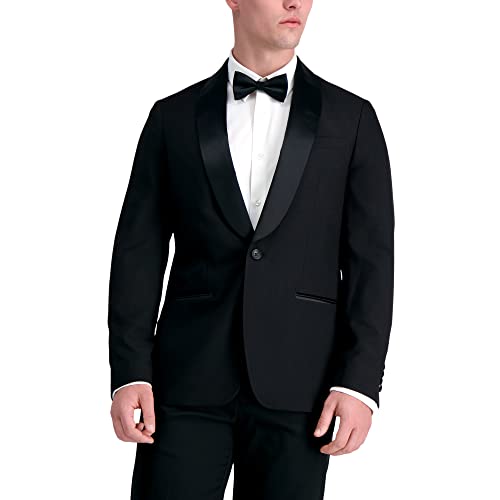
Mastering black tie attire begins with understanding that a tuxedo isn’t simply a dark suit—it’s a precisely calibrated ensemble defined by satin detailing, refined proportions, and deliberate formality.
Your foundation lies in selecting exceptional tuxedo fabrics: wool barathea offers structured elegance, while superfine merino provides breathable sophistication. The jacket demands satin-faced peak or shawl lapels, never notched. Single-button closures create the most streamlined silhouette.
Your shirt must feature a pleated or piqué front with French cuffs—standard point collars work beautifully. When considering bow tie choices, self-tied black silk remains the gold standard, though pre-tied versions work if expertly constructed. Skip the long necktie entirely.
Complete your ensemble with patent leather oxfords, silk socks reaching mid-calf, and a black cummerbund or low-rise waistcoat. Mother-of-pearl studs and cufflinks add refined detail.
You’ll notice the cumulative effect: each component builds toward an appearance that’s both commanding and timelessly appropriate for celebrating someone’s most important day.
Shoes and Accessories That Complete Your Black Tie Look

With your foundation garments established, you’ll now refine your appearance through carefully chosen finishing touches that elevate black tie from merely correct to genuinely distinguished.
Your shoe styles demand patent leather oxfords or opera pumps in pristine black. These polished silhouettes complement formal tailoring while maintaining traditional elegance. Ascertain they’re immaculately maintained—scuffs compromise your entire presentation.
Your accessory choices require equal precision. Select mother-of-pearl or onyx studs for your dress shirt, paired with matching cufflinks that whisper refinement rather than shout ostentation. A silk pocket square in white provides classic contrast, while your watch should remain understated—vintage dress watches in gold or platinum work beautifully.
Complete your ensemble with a black silk bow tie you’ll tie yourself; pre-tied versions lack sophistication. Add discreet jewelry—wedding band, perhaps elegant cufflinks—nothing more. A fine leather belt in black, though hidden, matters for proper drape.
These deliberate selections transform correct attire into memorable presence.
Jewelry and Styling Details for a Polished Appearance

Beyond the essential hardware of studs and cufflinks lies a subtler domain where grooming and personal refinement complete your transformation. Your jewelry selections should whisper wealth rather than shout it, creating an understated elegance that speaks to your sophistication.
Consider these refined finishing touches:
- Statement necklaces in precious metals—think delicate chains with modest pendants rather than bold, chunky designs
- Elegant earrings such as diamond studs, pearl drops, or sleek geometric designs in gold or platinum
- A vintage brooch positioned thoughtfully on your lapel or evening clutch
- A slim dress watch with a leather strap or precious metal bracelet
- Minimal rings—perhaps your wedding band and one tasteful cocktail ring maximum
Your grooming deserves equal attention. Confirm your hair is professionally styled, nails are immaculately manicured, and fragrance is present yet subtle.
These details demonstrate the care you’ve invested in honoring the couple’s celebration.
Seasonal Considerations: Adapting Black Tie Attire for Different Weather

While these timeless styling principles remain constant throughout the year, the climate and season of your event will dictate strategic adjustments to your black tie ensemble.
Summer weddings call for weather appropriate fabrics like lightweight wool, linen blends, or breathable silk that’ll keep you composed through outdoor ceremonies. You’ll want to embrace seasonal color palettes—think champagne, blush, or soft metallics that complement warm evenings without appearing too heavy.
Winter celebrations demand rich textures: velvet gowns, brocade accents, and heavier wool tuxedos that provide both elegance and warmth. Jewel tones—emerald, sapphire, burgundy—align beautifully with cooler months while maintaining formal sophistication.
Spring and fall offer seasonal flexibility. Layer strategically with elegant wraps, structured jackets, or luxe pashminas you can adjust as temperatures shift.
Consider moderate-weight fabrics in seasonal color palettes that bridge formality with comfort—dusty rose, navy, or warm taupe work exquisitely across these changeable seasons.
Common Black Tie Mistakes to Avoid at Weddings

Even the most meticulously curated ensemble can falter when fundamental black tie principles are misunderstood.
You’ll want to sidestep these common black tie blunders that can diminish your sophisticated presence.
These etiquette faux pas deserve your careful attention:
- Wearing a standard business suit instead of a tuxedo—black tie demands proper formal attire, not your office uniform with a bow tie
- Choosing novelty accessories like whimsical cufflinks or patterned bow ties that undermine the evening’s elegance
- Sporting brown or tan shoes when only patent leather oxfords or highly polished black dress shoes are appropriate
- Arriving in athletic socks or neglecting proper hosiery altogether—your ankles shouldn’t reveal casual underpinnings
- Overdoing cologne or fragrance in the intimate setting of a wedding celebration
You’ll command respect and genuine style by honoring these time-tested conventions.
Black tie isn’t restrictive—it’s your framework for expressing refined taste within established boundaries.
Black Tie Optional vs. Black Tie: Key Differences Explained

Understanding proper black tie protocol becomes more complex when your invitation specifies “Black Tie Optional.” This designation creates an intentional flexibility that standard black tie doesn’t permit—you’re granted permission to wear either formal evening attire or a dark business suit.
These dress code distinctions matter considerably. At a strict black tie wedding, you’ll wear a tuxedo without question. At a black tie optional event, you’re choosing between that same tuxedo or a sophisticated dark suit with refined accessories.
Understanding these black tie nuances helps you navigate the choice strategically. Consider the venue’s formality, the celebration’s timing, and your relationship with the couple.
If most guests will likely wear tuxedos, you’ll feel more comfortable matching that standard.
The optional designation isn’t an invitation to dress casually—it’s simply permission to step down one formality level. You’re still attending an elegant celebration that demands your sartorial respect.
Frequently Asked Questions
Can I Wear a Black Dress to a Black Tie Wedding?
Absolutely, you’ll look stunning in black. Choose elegant black dress styles with refined silhouettes—perhaps floor-length silk or embellished lace. Elevate your ensemble through luxurious accessorizing options: statement jewelry, metallic clutches, and sophisticated heels that’ll make you shine beautifully.
What if I Can’t Afford to Buy Formal Black Tie Attire?
Your budget needn’t be a gilded cage. You’ll discover exquisite solutions through renting attire from premium services or exploring curated thrift options, where designer pieces await your discerning eye—elegance exists beyond price tags, darling.
Are Children Expected to Follow Black Tie Dress Code Requirements?
Children aren’t held to strict black tie guidelines, though you’ll want their attire elevated and polished. Think refined children’s attire—dress shoes, tailored suits for boys, elegant dresses for girls—that honors the evening’s sophisticated tone beautifully.
Can I Rewear the Same Outfit to Multiple Black Tie Weddings?
Absolutely—70% of wedding guests rewear formal attire. You’ll embrace fashion sustainability while celebrating outfit versatility through strategic styling changes. Simply refresh your look with different jewelry, shoes, or accessories, and you’ll create an entirely new, sophisticated ensemble each time.
Should I Match My Outfit With My Plus-One or Date?
Subtle outfit coordination elevates your couple’s presence beautifully, though you needn’t match exactly. Consider complementary color matching through accessories—perhaps echoing jewel tones or metallic accents. You’ll create sophisticated visual harmony while maintaining your individual style and personal expression throughout the evening.
Final Thoughts
You’ve now mastered the art of dressing to the nines for a black tie wedding. Armed with knowledge of elegant gowns, impeccably tailored tuxedos, and refined accessories, you’re prepared to embody sophisticated style. Remember, attention to detail—from patent leather footwear to understated jewelry—elevates your entire ensemble. Don’t let weather conditions compromise your polished appearance; simply adapt with luxurious fabrics and thoughtful layering. Step into that ballroom with confidence, knowing you’ve honored the celebration’s formal elegance perfectly.
Share On Pinterest!


Related Posts

Dresscode Ideas for a Birthday Party: 20+ Stunning Looks Your Guests Will Actually Love
Last updated: February 2026 Picture this: your birthday party is two weeks away, the decorations are planned, the playlist is chef's kiss, and then your phone…
 Feb 27, 2026
70th Birthday Party Ideas for Women: 25+ Elegant Ways to Celebrate Her Milestone
Last updated: February 2026 Last updated: February 23, 2026 Turning 70 is a big deal, and the woman you're celebrating deserves a party that matches her…
Feb 23, 2026
50+ Theme Ideas for a Birthday Party That'll Make Your Celebration Unforgettable
Last updated: February 2026 Picture this: you're scrolling through Pinterest at midnight, your birthday (or your kid's, or your best friend's) is three weeks away, and…
Feb 15, 2026
Twins 2nd Birthday Party Ideas: 25+ Adorable Themes to Celebrate Your Dynamic Duo
Last updated: February 2026 Last updated: February 23, 2026 Planning a second birthday party for one toddler is already a project. Planning one for two? That's…
Feb 24, 2026